

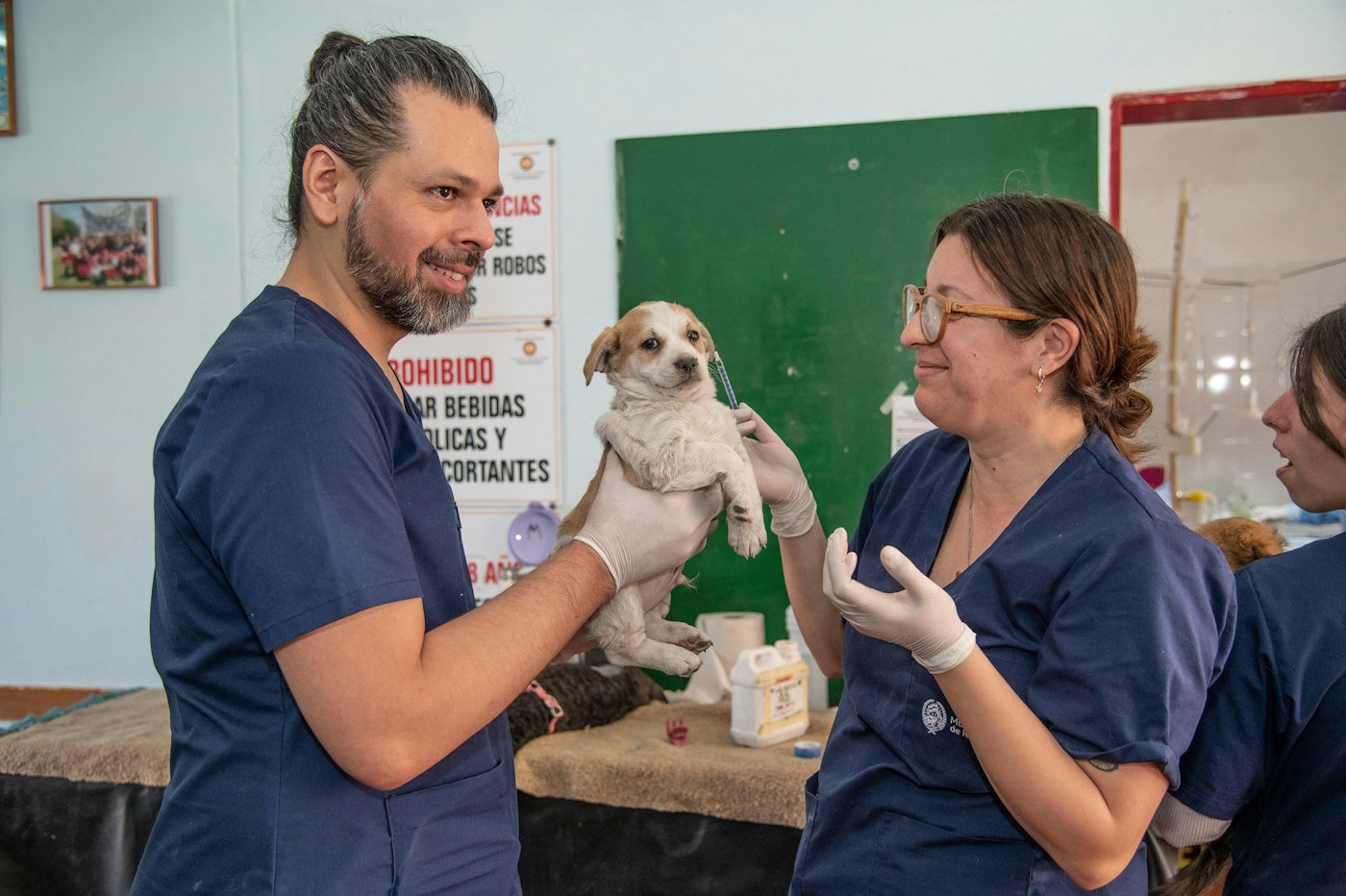
Bringing home a puppy comes with a long list of firsts, and the first vet visits are among the most important. Vaccines help protect puppies from several serious diseases during a time when their immune systems are still developing. Your veterinarian will create a schedule tailored to your puppy, your region and your lifestyle. This overview is meant to help you understand the basic idea and prepare questions.
Why puppies need a series of shots
Puppies receive some protection from their mother early in life through antibodies, mostly from nursing in the first days. That protection fades over the following weeks, but while it lasts, it can interfere with vaccines. Because no one can know exactly when it wears off in a given puppy, veterinarians typically give a series of vaccines spaced a few weeks apart. The series often begins at around six to eight weeks of age and continues until roughly 16 weeks or a bit beyond. Your vet will set the timing.
Core vaccines
Core vaccines are those generally recommended for all dogs because the diseases are widespread, serious or both. In the United States, veterinary guidelines typically include:
- Canine distemper virus
- Canine parvovirus
- Canine adenovirus, which protects against infectious canine hepatitis
- Rabies, which is also required by law in many places
These are often given in combination vaccines, with rabies given separately at an age set by your veterinarian and local regulations.
Lifestyle vaccines
Other vaccines may be recommended depending on where you live and what your puppy will be doing. Your veterinarian may discuss vaccines for diseases such as Bordetella and parainfluenza, often associated with kennel cough; leptospirosis, linked to wildlife and standing water; Lyme disease, in areas where certain ticks are common; and canine influenza. Tell your vet about plans for boarding, daycare, group classes, hiking or travel so they can give advice that fits.
Staying safe while the series is underway
Until a puppy has completed its vaccine series, many veterinarians recommend caution in places where lots of unknown dogs gather, such as dog parks and pet store floors. Socialization is still important during this period. Your vet can suggest safer ways to introduce your puppy to new people, sounds and vaccinated, healthy dogs, such as well-run puppy classes that require proof of vaccination.
What to ask at your first visit
- Which vaccines does my puppy need, and when?
- Are there any side effects I should watch for?
- When will my puppy be protected enough for classes or outings?
- When will the next round of boosters be due as an adult?
- How should I keep track of vaccine records?
Keep a copy of every vaccine certificate. You will need them for boarding, grooming, daycare and travel. Many owners also store them digitally so they are always within reach.












