

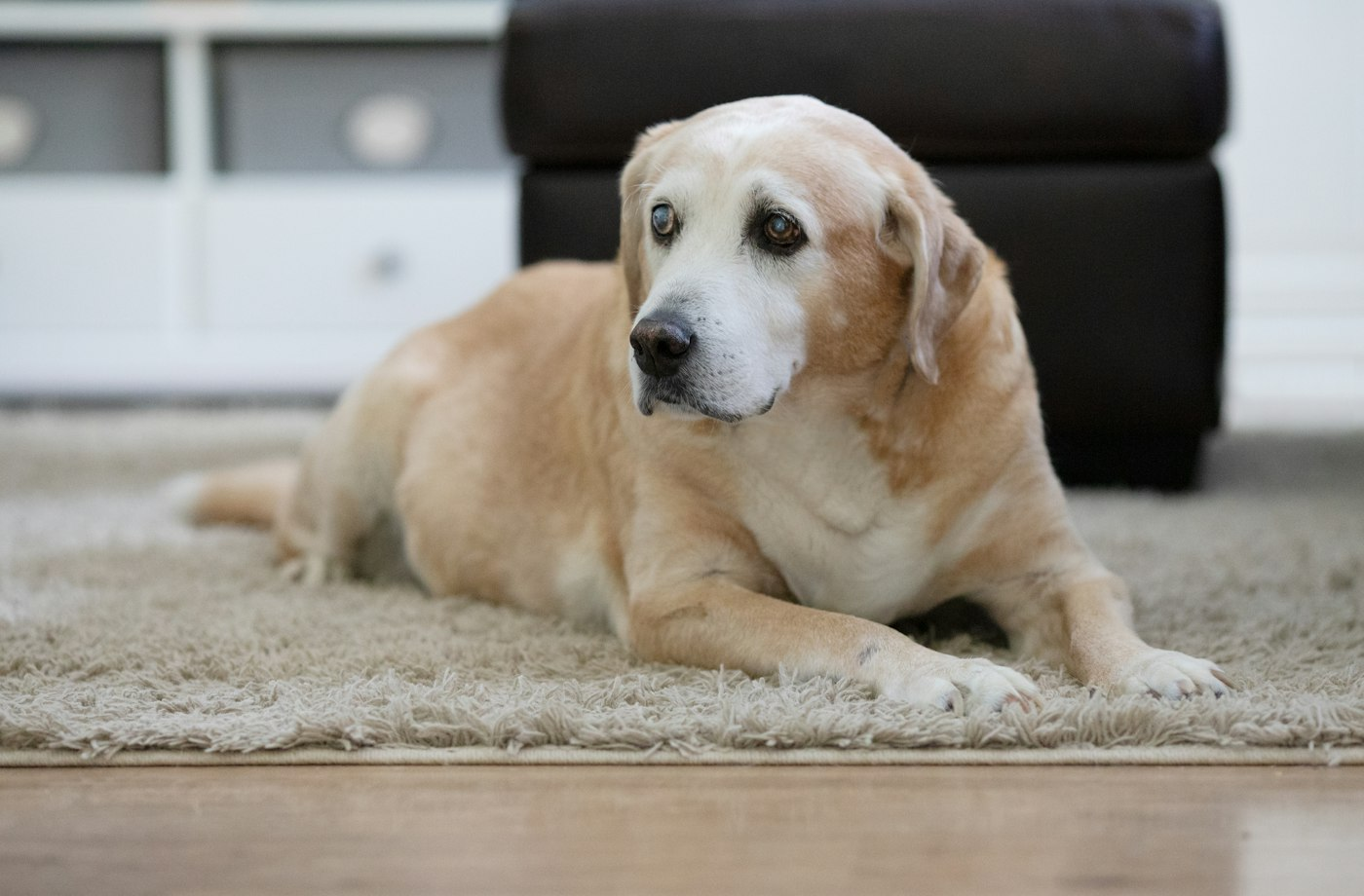
There is something special about an older dog. The frantic puppy energy has usually given way to a calm, familiar companion who knows the household rhythms by heart. Aging also brings changes, and because they tend to arrive slowly, they can be easy to overlook. Paying attention helps you catch issues early and keep your dog comfortable.
When is a dog considered senior?
There is no single age. Smaller dogs tend to live longer and are often considered seniors later than large and giant breeds, which may enter their senior years sooner. Your veterinarian can tell you when your dog’s care should begin to shift. Many vets recommend more frequent checkups for older dogs, sometimes twice a year, because changes can happen faster as dogs age.
Physical changes
Keep an eye on how your dog moves, eats and rests. Changes worth mentioning to your veterinarian include:
- Stiffness when getting up, reluctance to climb stairs or jump into the car
- Weight gain or loss, or a change in appetite
- Drinking or urinating more than usual, or new accidents in the house
- Lumps or bumps, especially new ones or ones that change
- Bad breath, dropping food or chewing on one side
- Cloudy eyes, bumping into things or not responding when called
- Coughing, heavy breathing or tiring quickly on walks
Some of these are normal parts of aging. Others can be signs of conditions that are manageable when caught early. Only your veterinarian can tell the difference.
Behavior and thinking changes
Older dogs can also experience changes in behavior. Some sleep more during the day and become restless at night. Some seem confused in familiar places, get stuck behind furniture or forget long-known routines. Others become more anxious, clingy or irritable. Vets sometimes evaluate older dogs for age-related cognitive changes, and there may be options to help. Mention any new behavior patterns at your next visit, even if they seem small.
Simple ways to support an older dog
- Keep up gentle, regular exercise to help maintain muscle and joint mobility.
- Adjust walks to your dog’s pace, with more sniffing and shorter loops if needed.
- Offer mental stimulation with easy puzzles, scent games and new tricks.
- Keep your dog at a healthy weight, which helps with comfort and mobility.
- Maintain dental care, which matters throughout a dog’s life.
Tracking changes at home
A simple notebook or phone note can make vet visits more productive. Write down changes in appetite, energy, bathroom habits, mobility and behavior, along with dates. Short videos of a limp, a cough or nighttime pacing can be especially helpful, since dogs often behave differently at the clinic. Bring your notes and questions to each appointment. Your veterinarian can help you build a care plan that keeps your senior dog comfortable and engaged for as long as possible.












