

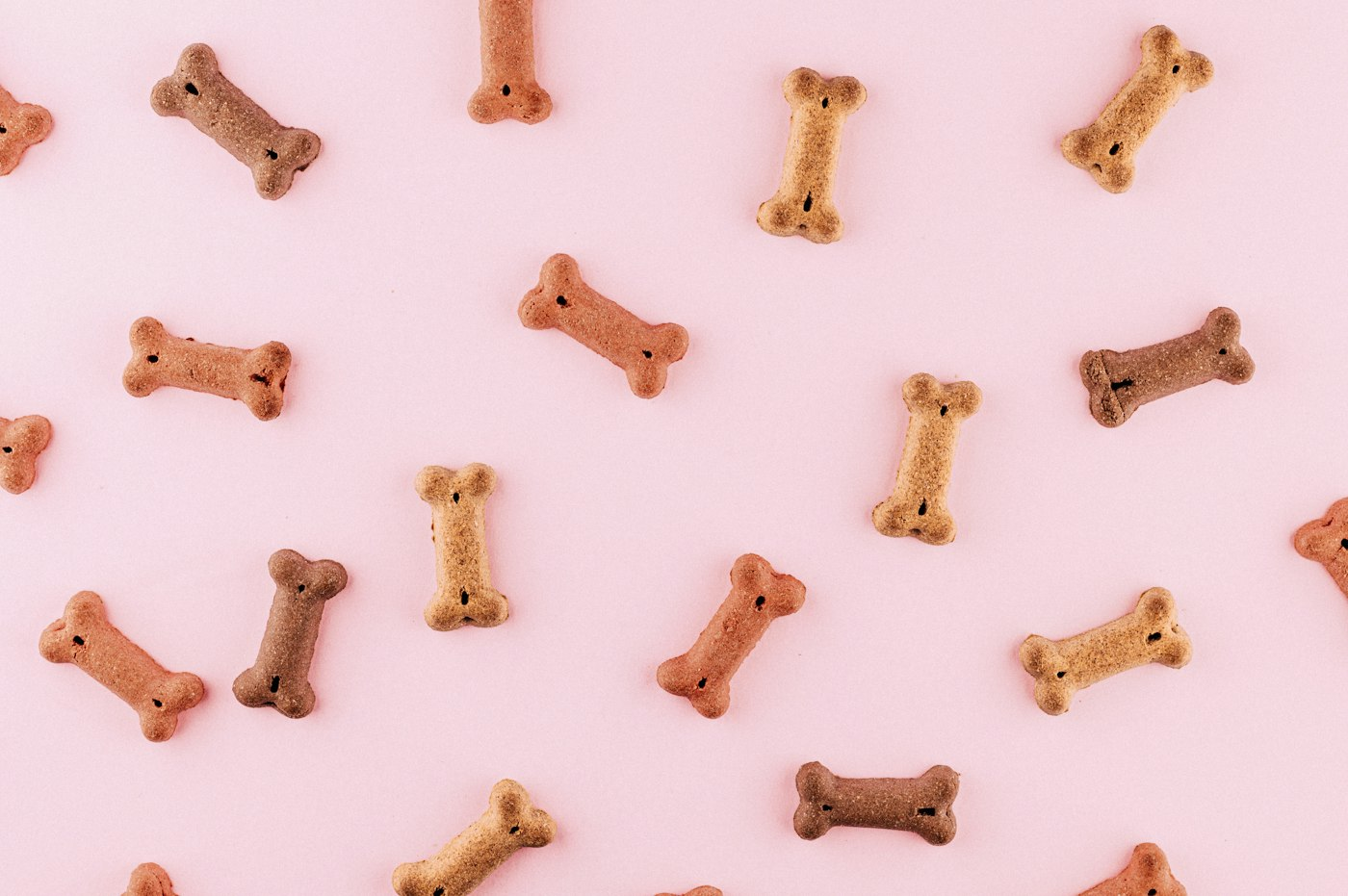
Treats do a lot of good. They make training fun, build trust with a nervous dog and let you reward good choices in the moment. They also add up quickly. A few biscuits here, a bite of cheese there and a dental chew at night can quietly push a dog’s daily calories well past what it needs. The goal is not to give up treats but to use them wisely.
Count treats as part of the day
A common rule of thumb from veterinarians is that treats should make up only a small portion of a dog’s daily calories, often cited as about ten percent, with the rest coming from a complete and balanced diet. Your veterinarian can help you translate that into real numbers for your dog. Once you know roughly how much room you have, it becomes easier to plan.
If you give a lot of treats on training-heavy days, consider reducing the meal slightly. Ask your vet how to make that adjustment safely.
Go small
Dogs generally care more about getting a reward than about its size. Breaking treats into pea-sized pieces lets you reward more often without adding much. Soft treats can be torn into tiny bits, and many larger biscuits snap into several pieces.
- Use part of your dog’s regular kibble as rewards for easy, familiar behaviors.
- Save the most exciting treats for challenging situations, like recall at the park.
- Keep a measured portion of treats in a pouch each morning and stop when it is gone.
Choose lower-calorie options
Some plain fruits and vegetables can make good low-calorie treats for many dogs, such as small pieces of carrot, green beans or cucumber. Others, like grapes and raisins, are dangerous for dogs and should never be offered. Onions, garlic, chocolate and anything sweetened with xylitol are also on the list to avoid. Before adding any new food, check with your veterinarian, especially if your dog has a sensitive stomach or a medical condition.
Watch the hidden extras
Table scraps, licked plates, dropped snacks and treats from neighbors can make a bigger difference than packaged treats. Talk with your household about a shared plan so everyone knows how much is reasonable. Children in particular may love to sneak a bite to the dog under the table. Giving them a small, measured container of approved treats can turn that habit into a positive one.
Long-lasting chews also count. Some are quite high in calories, so ask your veterinarian which types and how often are appropriate for your dog’s size and chewing style.
Reward without food
Food is powerful, but it is not the only reward. Many dogs love praise, a quick game of tug, a toss of a ball or the chance to sniff an interesting spot. Mixing in non-food rewards keeps training interesting and helps keep calories in check. If your dog has already gained weight, your veterinarian can help set a safe target and a gradual plan to get there.












