

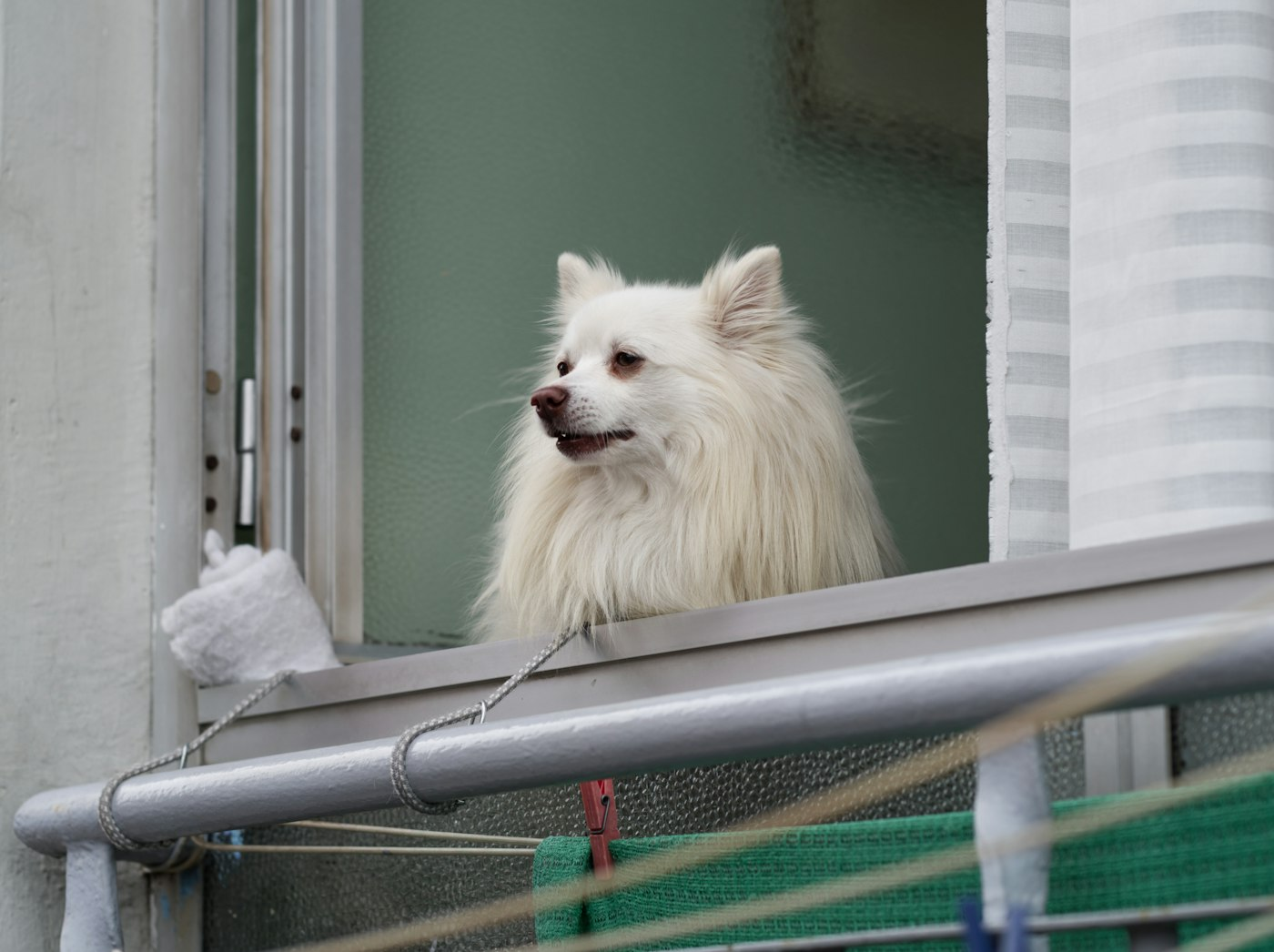
Being comfortable alone is a skill, and like any skill it has to be learned. Puppies, newly adopted dogs and dogs who just spent a summer with constant company may all need practice. The key is to start small and build slowly, so your dog has many calm experiences of being alone before it faces long stretches. This approach works best for dogs with mild discomfort. Dogs with intense distress should be evaluated by a veterinarian or behavior professional.
Begin while you are home
Alone-time practice can start without leaving the house. Teach your dog that being in a different room from you is normal. Give a chew or a stuffed food toy in a gated area or crate while you sit nearby, then move a few steps away, then out of sight for a moment. Return before your dog becomes worried. Over many short sessions, your dog learns that you come back and that time apart is not a big deal.
Take the drama out of departure cues
Dogs notice patterns. Keys, shoes, a jacket or a bag may all signal that you are about to leave. You can soften those signals by using them without going anywhere.
- Pick up your keys, then sit down and read.
- Put on your shoes, then make lunch.
- Open and close the front door without stepping out.
Over time, these cues become less meaningful, and your dog stays more relaxed when you really do head out.
Build absences gradually
When your dog is calm with short separations at home, start stepping outside. Leave for a minute, then come back calmly. Slowly extend the time to five minutes, ten, twenty and beyond. Vary the lengths so your dog does not learn to predict exactly when distress might start. If your dog shows signs of worry, go back to a shorter duration that was easy and build again more slowly. Progress is rarely a straight line, and that is normal.
Set up a comfortable space
A safe, cozy area helps many dogs relax. That might be a crate your dog already loves, a gated kitchen or a quiet bedroom. Include water, a comfortable bed and something to do, such as a long-lasting chew your veterinarian considers safe. Some dogs find soft background sound, like a radio at low volume, calming. Remove collars with dangling tags inside a crate to avoid snagging, and put them back on when you return.
When you come home, wait a moment for your dog to settle before giving attention, then greet warmly but quietly. A big, emotional reunion can make the contrast between alone time and together time feel sharper. Calm returns help your dog understand that comings and goings are ordinary parts of the day.
Know when to ask for help
If your dog panics, injures itself, destroys exits or cannot handle even very short absences, gradual practice alone may not be enough. Talk with your veterinarian, who can check for medical issues and refer you to a qualified behavior professional. With the right support, many dogs make real progress.












