

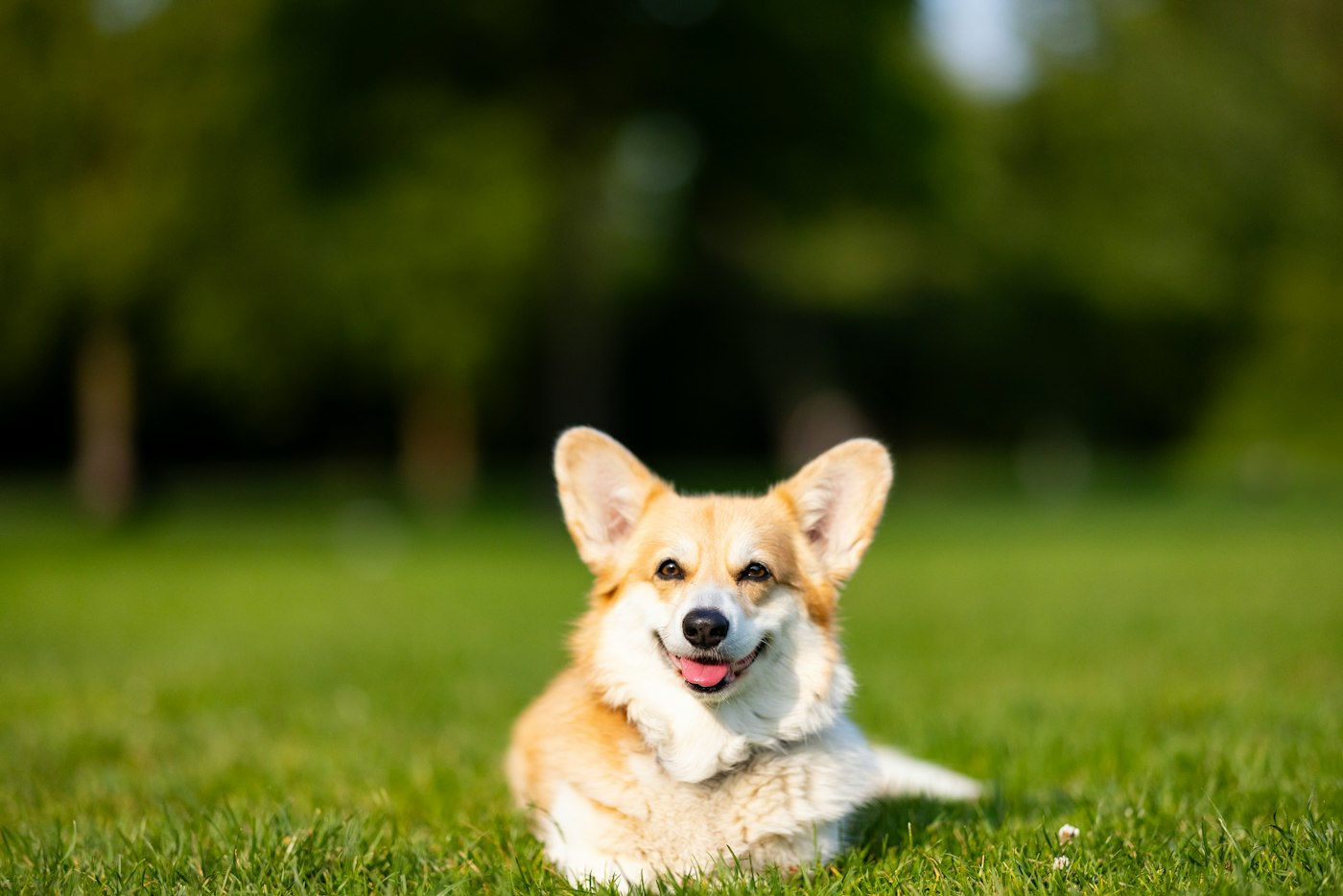
Corgis are hard to miss. With short legs, a long body, upright ears and a bright expression, they combine a comical look with the instincts of serious working dogs. There are actually two Corgi breeds, the Pembroke Welsh Corgi and the Cardigan Welsh Corgi, and while they look similar, they have distinct histories and traits.
Herding dogs from Wales
Both Corgis come from Wales, where they worked as cattle dogs. Their low height let them nip at the heels of cattle and duck under kicks, moving herds along roads and pastures. The Cardigan is generally considered the older of the two, linked to the county of Cardiganshire. The Pembroke, from Pembrokeshire, became especially famous in the twentieth century as a favorite of Queen Elizabeth II, who kept Pembrokes for most of her life.
The two were shown as a single breed for a time before being recognized separately in the 1930s.
How to tell them apart
- Tail: Cardigans have a long, fox-like tail. Pembrokes often have a naturally short or docked tail, depending on breeding and local custom.
- Build: Cardigans tend to be slightly larger and heavier boned, with rounder ears.
- Colors: Pembrokes are often red, sable, fawn or black and tan, usually with white. Cardigans come in a wider range, including blue merle and brindle.
- Temperament: Both are smart and alert. Cardigans are sometimes described as a little more reserved, Pembrokes as more outgoing, but individuals vary.
Temperament
Corgis are usually affectionate, playful and loyal, with a big-dog attitude in a compact body. They can be vocal and quick to sound the alarm. Their herding instincts may show up as chasing or nipping at running children or other pets, so early training that redirects that energy is helpful. Corgis are clever and food-motivated, which makes training rewarding, though they may also test the rules.
Exercise and body care
Corgis are active dogs that generally enjoy daily walks, play and training games. Herding, agility, rally and scent work are all popular with the breed. Because of their long backs and short legs, many owners and veterinarians recommend limiting repetitive jumping off furniture and taking stairs with care, especially for puppies and older dogs. Ramps or steps can help. Keeping a Corgi lean is important for its back and joints, and food-loving Corgis can gain weight easily. Talk to your vet about a healthy weight for your dog.
Both Corgis have a thick, weather-resistant double coat and are well-known shedders, especially during seasonal changes. Brushing a few times a week, and more during heavy shedding, keeps hair under control. A rubber brush and an undercoat rake are useful tools.
Gear notes
A Corgi’s sturdy neck and long body make harness fit important. Look for a harness that does not restrict shoulder movement and is adjustable along the chest. Paired with a comfortable collar and a clear ID tag or QR tag, it makes a reliable everyday setup for a dog that is always ready to move.












