

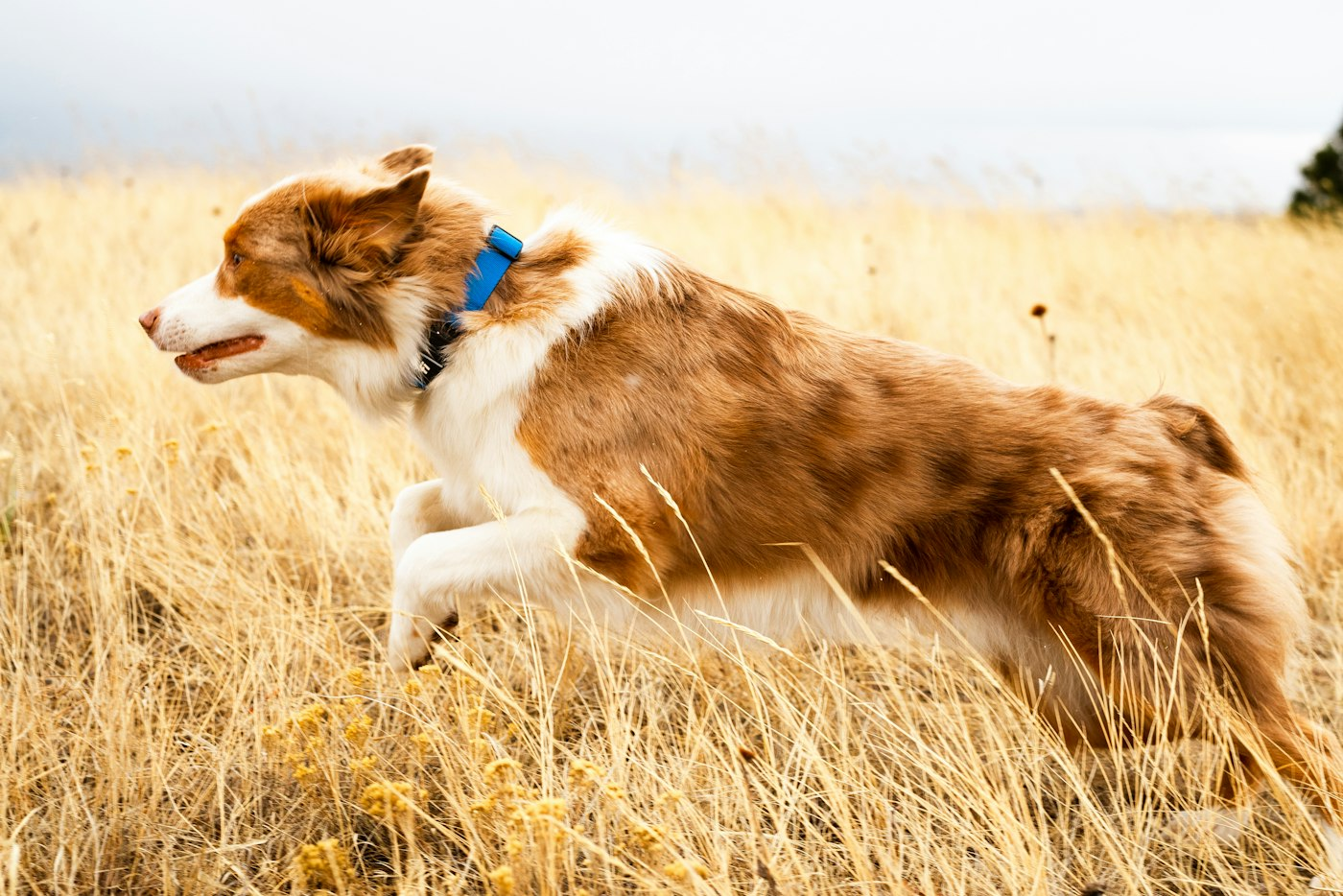
Every dog needs daily activity, but the kind of activity that satisfies a dog can vary a lot. A Border Collie and a Basset Hound might both enjoy a walk, yet what leaves each one content is quite different. Kennel clubs sort breeds into groups based largely on their original jobs, and those jobs offer useful clues. Individual dogs always vary, and age and health matter as much as breed, so check with your veterinarian before starting a new exercise plan.
Sporting and herding dogs
Sporting breeds, such as retrievers, spaniels, pointers and setters, were developed to work alongside hunters for hours in fields and water. Many thrive on running, retrieving and swimming, and they often enjoy learning skills that involve working with a person. Fetch, long walks with sniffing breaks and training games suit them well.
Herding breeds, including Border Collies, Australian Shepherds, Corgis and German Shepherds, were bred to move livestock with focus and stamina. Physical exercise matters, but mental challenges matter just as much. Training sessions, puzzle toys, agility and herding classes can tire these dogs in ways a simple walk cannot.
Hounds
Hounds fall into two broad types. Scent hounds like Beagles, Bloodhounds and Basset Hounds follow their noses and usually love long, meandering sniff walks. Giving them time to investigate is real exercise for their brains. Sighthounds like Greyhounds and Whippets were bred for short bursts of speed. Many love a chance to sprint in a securely fenced area, then are happy to lounge for much of the day. Because both types can be strongly driven by smells or movement, secure fences and leashes are especially important.
Terriers and working breeds
Terriers were bred to hunt and dig for small animals, and they tend to be energetic, bold and persistent. Tug games, flirt poles, digging boxes and short, lively training sessions channel those instincts. Working breeds, such as Boxers, Bernese Mountain Dogs and Siberian Huskies, were developed for jobs like guarding, pulling and rescue. Their needs vary widely within the group. Some are endurance athletes, while some of the giant breeds do better with moderate, steady activity that is easy on growing joints.
Toy and non-sporting dogs
Toy breeds may be small, but many are lively and curious. Short walks, indoor games and trick training keep them fit and engaged. The non-sporting group is a mixed category that includes Poodles, Bulldogs, Dalmatians and Boston Terriers, so needs range from high to modest. Flat-faced breeds in any group, such as French Bulldogs and Pugs, often do better with gentle, shorter sessions and careful attention to temperature and breathing.
Making it work for your dog
- Mix physical and mental exercise each day.
- Adjust for age: puppies need short, frequent play, and seniors often prefer gentler outings.
- Watch for signs your dog has had enough, such as lagging, lying down or heavy panting.
- Mixed-breed dogs may take after one side of their background, so observe what your dog enjoys most.
A good exercise routine is the one your dog can do consistently and safely. Your veterinarian can help tailor the plan to your dog’s body, health and stage of life.












