

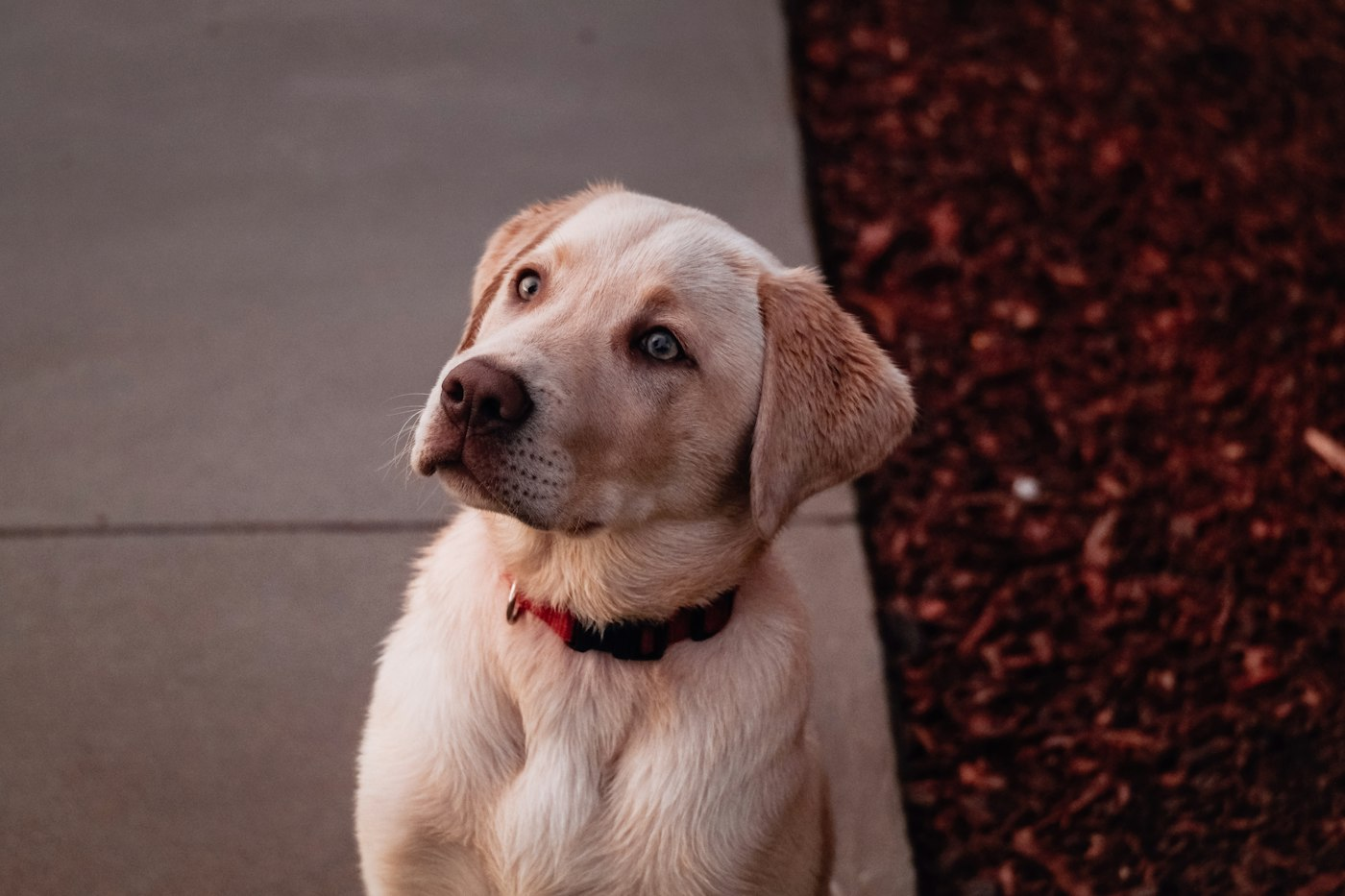
Few breeds are as instantly recognizable as the Labrador Retriever. With its broad head, otter-like tail and easygoing expression, the Lab has become a familiar sight in parks, on hunting grounds and in service roles. Behind that friendly face is a capable working dog whose history shapes its needs today.
Where the Lab comes from
Despite the name, the breed’s roots are in Newfoundland, not Labrador. Fishermen there worked alongside a dog often called the St. John’s water dog, which helped haul nets and retrieve fish from cold Atlantic water. In the 1800s, British sportsmen brought some of these dogs to England and developed them into a refined retriever for waterfowl and upland hunting. The breed was later recognized by kennel clubs in Britain and the United States, and it has remained one of the most widely kept dogs in many countries.
Labs come in three accepted colors: black, yellow and chocolate. Yellow ranges from pale cream to a deeper fox red. Breeders sometimes distinguish between dogs bred mainly for field work, which may be leaner and more intense, and those bred mainly for the show ring, which are often stockier and calmer. Individual dogs vary widely in both lines.
Temperament
Labs are known for being outgoing, people-oriented and generally good-natured with strangers and other dogs. Those traits make them popular as family companions, guide dogs, assistance dogs and detection dogs. They are also enthusiastic, which can translate into jumping, mouthing and pulling on the leash in young dogs. Early training and plenty of structured activity help that energy find good outlets.
Many Labs love to carry things. Giving a young Lab appropriate toys to hold can redirect the urge to pick up shoes and socks. Their love of food is legendary, too, and it makes them responsive to treat-based training. It also means counters, trash cans and backpacks need to be kept out of reach.
Coat and grooming
The Lab has a short, dense double coat with a soft undercoat and a slightly harsh outer layer that helps shed water. It is low maintenance in terms of trimming but sheds year-round, often more heavily during seasonal changes. A weekly brushing with a deshedding tool or rubber curry brush helps manage loose hair. Baths are needed only occasionally unless your dog finds a muddy pond.
Exercise and daily care
Labs were bred to work for long stretches, and most do best with daily exercise beyond a quick walk around the block. Fetch, retrieving games, sniff walks and training sessions all help. Because Labs can gain weight easily, keeping an eye on portions and treats is important. Your veterinarian can help you judge your dog’s body condition and set sensible food amounts.
Gear notes
A well-fitted flat collar with an ID tag is a good everyday choice for a Lab. Strong pullers may do better on a front-clip harness while they learn leash manners. Because Labs often love water, choose collars and leashes made from materials that dry quickly and clean easily. A QR ID tag is helpful for a friendly dog that might happily follow a scent, or a new friend, away from home.












