

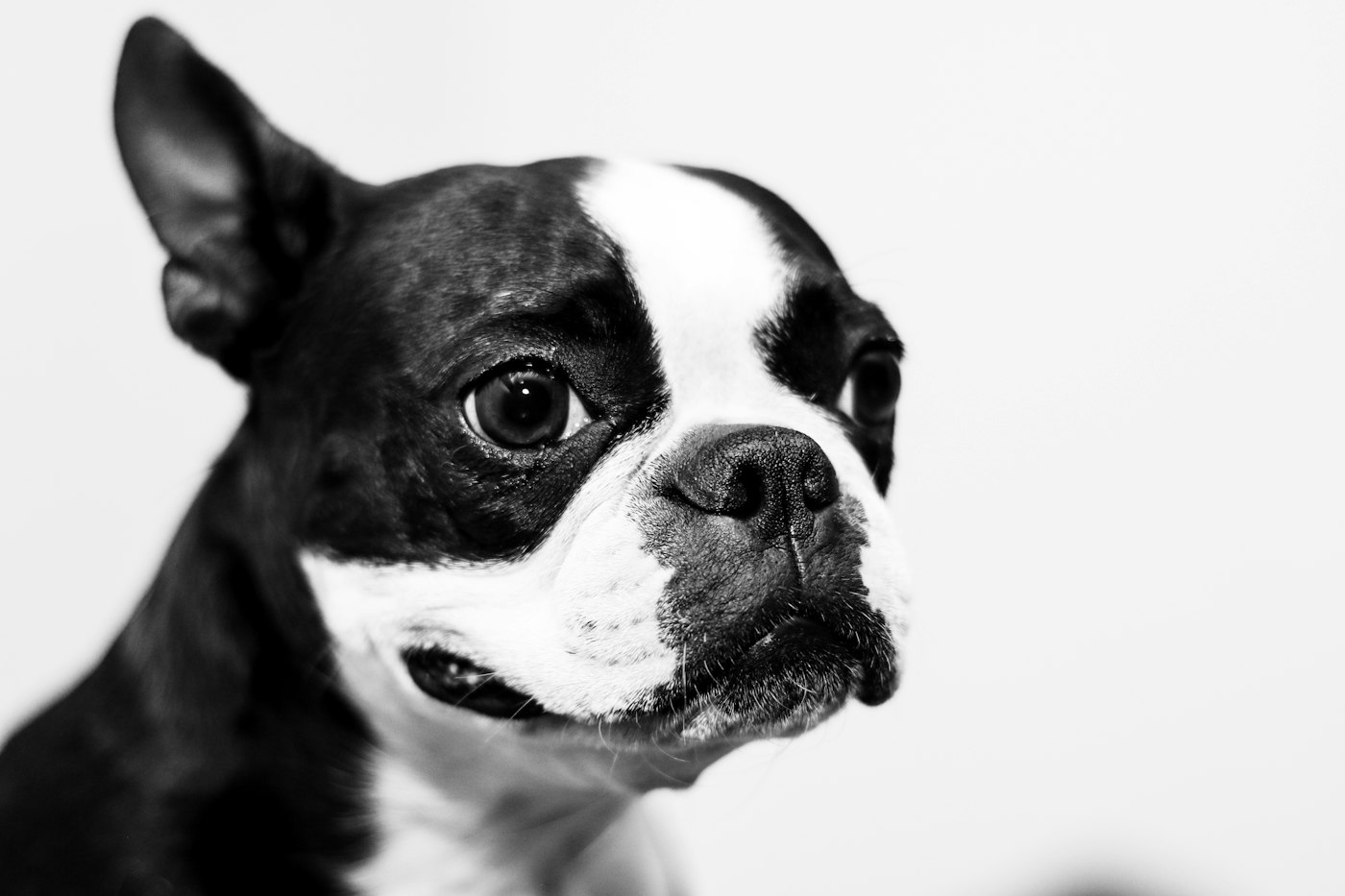
With its neat tuxedo markings, big round eyes and upright ears, the Boston Terrier looks dressed for a night out. Its nickname, the American Gentleman, fits a breed known for good manners and a friendly attitude. The Boston is also one of the few breeds that can trace its origins to a specific American city.
Made in Boston
The Boston Terrier was developed in and around Boston, Massachusetts, in the late 1800s. Its foundation is usually traced to a dog named Judge, a cross between an English Bulldog and a now-extinct white English terrier, who arrived in Boston around 1870. Local breeders refined his descendants, gradually reducing size and settling on the distinctive look. The breed was recognized by the American Kennel Club in 1893, making it one of the earliest American breeds to earn that status. In 1979, the Boston Terrier was named the official state dog of Massachusetts.
Though the name includes “terrier,” the modern Boston is a companion dog through and through, more interested in people than in hunting.
Temperament
Boston Terriers are typically affectionate, lively and gentle. Many are playful well into adulthood and enjoy being part of everything the family does. They are often friendly with strangers and other pets and adapt well to apartments as well as houses. Some Bostons can be a bit stubborn or sensitive, so short, positive training sessions with rewards tend to work best. They are usually not big barkers, but they will let you know when something interesting happens.
Coat and care
The Boston’s short, smooth coat is low maintenance. A weekly brushing and occasional bath keep it looking sharp. Recognized colors are black, brindle or seal, each with white markings on the face, chest and often the legs. Because of their prominent eyes, Bostons can be prone to eye irritation or injury, so watch for squinting, redness or discharge and contact your veterinarian if you see any. Keep nails trimmed and check the facial area for debris.
A flat-faced breed
Like French Bulldogs and Pugs, the Boston Terrier is brachycephalic, with a shortened muzzle. That build can affect breathing and heat tolerance.
- Exercise in cooler parts of the day and keep sessions moderate.
- Give breaks if you hear noisy breathing or see heavy panting.
- Use a harness for leash walks to avoid pressure on the throat.
- Ask your veterinarian about your dog’s airway and which activities are appropriate.
Bostons still enjoy activity. Many love walks, fetch, trick training and even dog sports like agility, as long as they are done with care.
Gear notes
A harness that sits away from the throat is a smart choice for leash walks. A lightweight collar can hold an ID tag or QR tag for everyday identification. With their short single coats and compact bodies, many Bostons appreciate a jacket on cold or damp days, and their tuxedo coloring makes almost any color of gear look sharp. Measure the chest and back length carefully for a good fit.












