

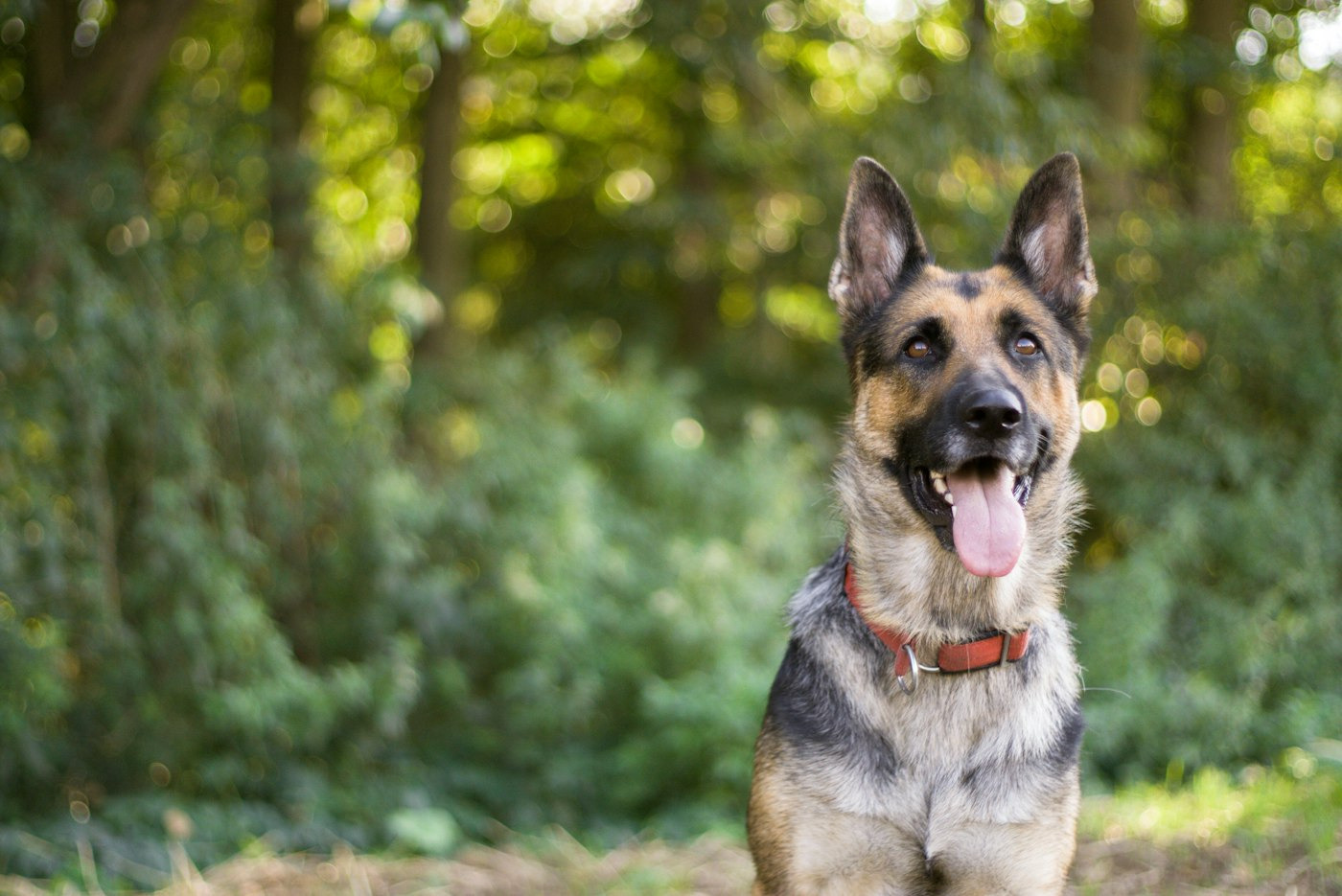
The German Shepherd Dog is one of the most versatile breeds in the world. It has worked as a herding dog, a police and military dog, a guide dog, a search and rescue dog and a devoted family companion. That flexibility comes from a combination of intelligence, trainability and loyalty that the breed’s founders deliberately sought.
A breed built for work
The German Shepherd was developed in Germany in the late 1800s. At that time, many regional herding dogs existed, varying in appearance and ability. A cavalry officer named Max von Stephanitz set out to create a standardized German herding dog defined by working ability above all. In 1899 he founded a breed club and registered the first German Shepherd. As herding work declined with industrialization, the breed’s abilities were directed toward police, military and service roles.
German Shepherds gained international fame in the early twentieth century, including through their work during World War I and through popular films that featured them.
Temperament
German Shepherds are typically confident, loyal and protective of their families. Many are reserved with strangers, preferring to observe before warming up. They are highly intelligent and form strong bonds with their people. A well-raised German Shepherd is steady and responsive. Without training and socialization, though, the same traits can become problems, such as overprotectiveness, reactivity or anxiety.
- Begin socialization early, with calm exposure to people, dogs, places and sounds.
- Use clear, consistent, reward-based training.
- Keep training going throughout life, since these dogs thrive on having a job.
Exercise and mental work
German Shepherds are active dogs that generally need substantial daily exercise and mental stimulation. Long walks, hiking, fetch and structured activities like obedience, tracking, herding, rally or protection sports can all be good outlets. Puzzle toys and scent work help on busy days. A bored German Shepherd may chew, dig, pace or bark. Growing puppies should not be overexercised, so ask your veterinarian about safe activity as your dog develops.
Coat and grooming
German Shepherds have a dense double coat, with a thick undercoat and a harsher outer coat. Some have a longer coat. Common colors include black and tan, sable and solid black. The breed sheds a great deal year-round and heavily during seasonal shedding periods, so frequent brushing with an undercoat rake and slicker brush is a big part of living with one. Shaving is generally not recommended for double-coated breeds unless your veterinarian advises it. Ask breeders about health screening for parent dogs, and keep your Shepherd at a healthy weight to support its joints.
Gear notes
A strong, well-made leash and a durable collar are basics for a large, powerful dog. Many owners also use a well-fitted harness for long outings. Make sure gear is comfortable over the thick neck coat, and check the fit seasonally as the coat changes. A clearly readable ID tag or QR tag is essential for any dog, but especially for an active one that spends a lot of time outdoors.












