

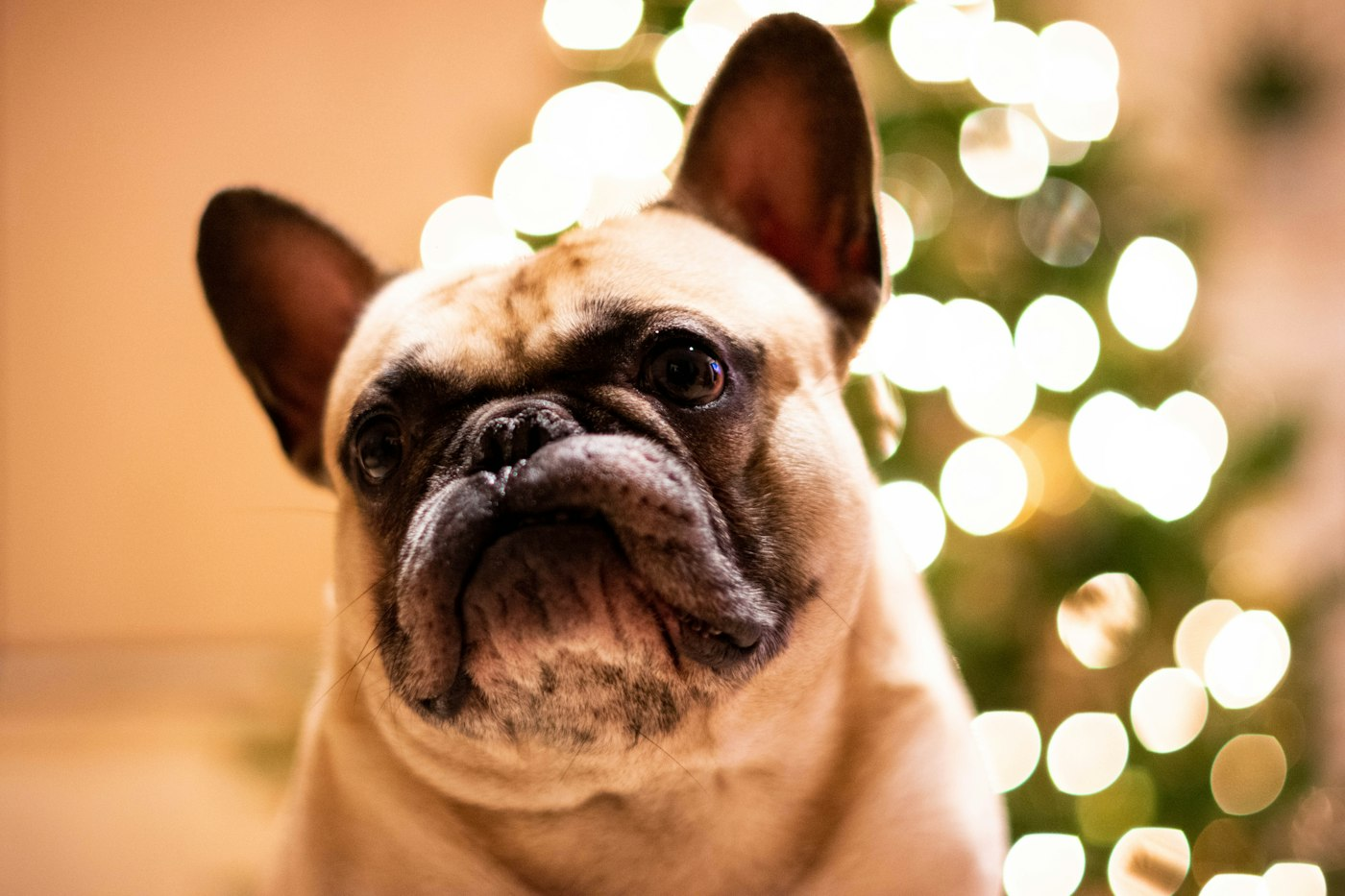
The French Bulldog is easy to love. With its upright bat ears, sturdy little body and expressive face, the Frenchie has become a common sight in cities and suburbs alike. It is a true companion dog, happiest close to its people. It also has a few needs that come from its distinctive build.
An English start and a French finish
The French Bulldog’s story begins in England in the 1800s, where smaller versions of the Bulldog were kept as companions. When many lace workers from the English Midlands moved to northern France during the Industrial Revolution, some brought these small bulldogs with them. In France, the dogs became popular in Paris and were developed further, eventually taking on the upright bat ears that set the breed apart. American fanciers helped establish those ears as part of the breed standard in the late 1800s and early 1900s.
Temperament
Frenchies are typically affectionate, playful and adaptable. Many are clownish and love attention, and some can be stubborn about training. They usually bark less than many small breeds, though they can be expressive in other ways, with a range of snorts, grumbles and yodels. Most enjoy being near their people and may not like long periods alone. Short, upbeat training sessions with tasty rewards suit them well.
Caring for a flat-faced dog
The French Bulldog is a brachycephalic breed, meaning it has a shortened muzzle and flat face. This structure can affect breathing and how well a dog handles heat and exertion. Owners often take precautions such as:
- Exercising during cooler parts of the day and keeping sessions moderate
- Watching for noisy breathing, heavy panting or tiring quickly, and giving breaks
- Using a harness instead of a collar for leash walking, to avoid pressure on the neck and throat
- Supervising closely around water, since many Frenchies are not strong swimmers
Ask your veterinarian about your dog’s breathing and airway, how to recognize trouble and which activities are appropriate. If you are considering a puppy, ask breeders about health screening and choose one who prioritizes healthy breathing and structure.
Coat and grooming
The Frenchie’s short, smooth coat is easy to maintain with weekly brushing. Colors include brindle, fawn and cream, often with white markings. The skin folds on the face should be gently cleaned and dried regularly to prevent irritation, along with the area around the tail in some dogs. Check ears too, since their open shape can collect debris. Nails often need regular trimming because many Frenchies do not wear them down on their own.
Gear notes
A well-fitted harness is often the best choice for walking a French Bulldog. Look for one that sits away from the throat and does not restrict the front legs. A lightweight flat collar can still hold an ID tag or QR tag for everyday identification. Because Frenchies have short coats and stocky but compact bodies, a well-fitted jacket can help keep some of them comfortable on chilly days. Measure carefully, since their wide chests and short backs mean standard sizes do not always fit.












