

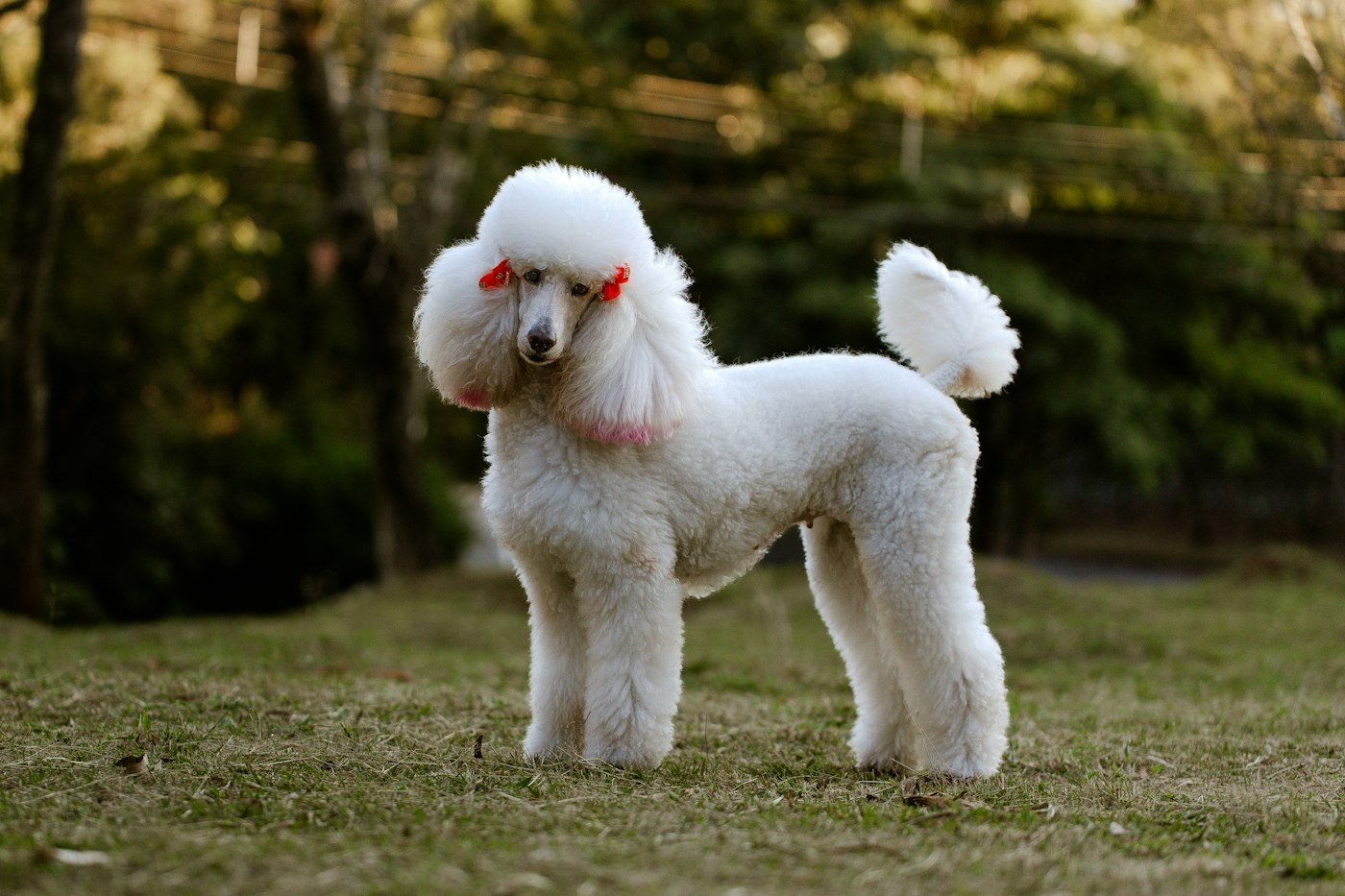
The Poodle is one breed shown in three sizes: Standard, Miniature and Toy. In the United States, the varieties are defined by height at the shoulder. The Toy is 10 inches or under, the Miniature is over 10 inches and up to 15 inches, and the Standard is over 15 inches. The two smaller varieties share the Standard’s intelligence and curly coat, but their size brings some different considerations for daily life.
How the smaller Poodles came to be
The Standard Poodle came first, working as a water retriever. Over time, breeders developed smaller Poodles for different roles. Miniatures are often associated with France, where they were popular companions and are said to have been used for tasks like hunting truffles. Toys became fashionable as companion dogs and were later popular in circus and performance acts, where their agility and intelligence shone. Today all three varieties are judged to the same breed standard, apart from size.
Temperament
Miniature and Toy Poodles are typically bright, lively and deeply attached to their people. Many are quick learners and enjoy trick training, obedience and agility. They can be alert and may bark to announce visitors. Toy Poodles in particular often like to stay close to their favorite person.
Because they are small, it is tempting to skip training, but these dogs benefit from structure as much as larger dogs. Teaching calm greetings, polite leash walking and a reliable recall builds confidence. Early, gentle socialization helps them become comfortable with new people, children and larger dogs.
Size-related care
Small dogs have some specific needs.
- Handle with care. Toy Poodles can be injured by falls or rough play, so supervise young children and teach them to sit on the floor to hold the dog.
- Watch for jumping off high furniture, which can stress small legs. Pet steps can help.
- Keep up with dental care, since small breeds often need extra attention to their teeth. Ask your veterinarian about a home routine.
- Feed carefully. Small dogs need small portions, and a few extra treats make a big difference.
Your veterinarian can advise on any additional considerations for your dog, especially for very small Toys and puppies.
Coat and grooming
Like the Standard, smaller Poodles have a dense, curly coat that grows continuously and needs regular brushing to the skin and professional grooming every several weeks. A short, easy-care clip is popular with pet owners. Check ears, paws and the hair around the eyes regularly. Tear staining on lighter coats can be gently cleaned; ask your vet if it seems excessive.
Gear notes
Smaller Poodles need lightweight gear that fits their frames. Many owners use a harness for walks to avoid putting pressure on the neck, along with a light, comfortable collar to hold an ID tag. Choose a small tag or QR tag that does not weigh down the collar. In cooler months, a well-fitted jacket can help a Toy or Miniature Poodle with a freshly clipped coat stay comfortable.












