

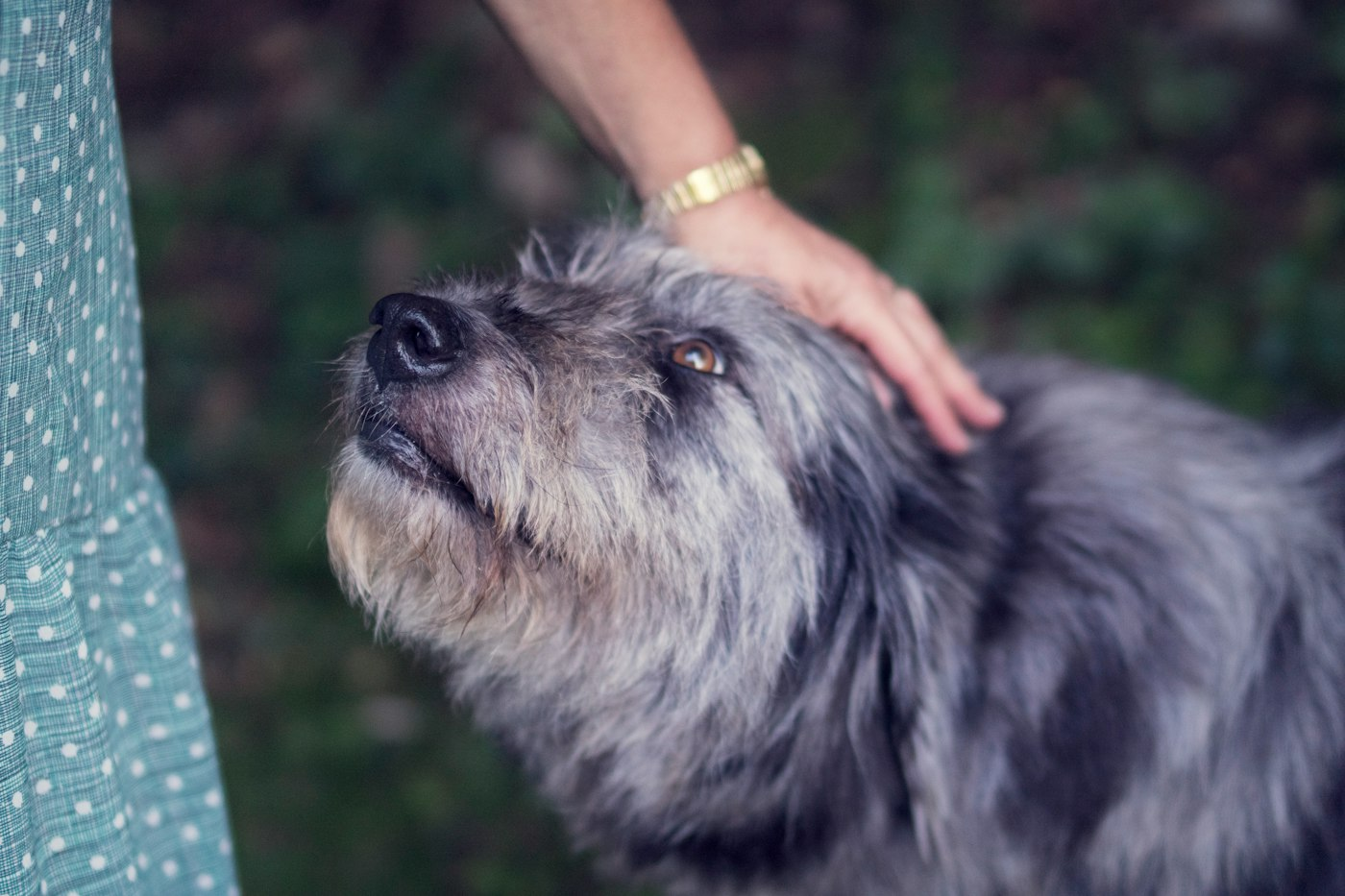
Older dogs bring a special kind of companionship. They know the routines, they love the familiar walks and they are often content just being near you. In summer, though, they need a little extra care. Age can affect how well a dog handles heat, and some health conditions common in older dogs make hot weather harder.
Every senior dog is different, so talk with your veterinarian about your dog’s specific needs.
Why heat is harder for older dogs
As dogs age, they may become less efficient at regulating body temperature. Heart disease, breathing problems, obesity and some medications can also affect heat tolerance. Arthritis and weakness may make it harder for an older dog to move to a cooler spot on their own.
Senior dogs may also be less likely to show early signs of trouble, or their signs may be mistaken for normal slowing down. That makes prevention and close observation especially important.
Adjusting walks and activity
- Walk early in the morning or late in the evening, and keep walks shorter and slower on warm days.
- Choose shaded, flat routes with soft surfaces, which are easier on joints and paws.
- Bring water and stop often for breaks.
- Let your dog set the pace. If they slow down, sit or lie down, it is time to turn around.
- Consider a dog stroller or wagon for dogs who love outings but tire quickly.
Gentle, regular movement is often good for older dogs, so you do not necessarily have to stop walks entirely. The goal is to keep them comfortable and safe.
Comfort at home
Make sure your senior dog has easy access to a cool place to rest. Set up a bed near an air conditioning vent or fan, on a non-slip surface. A cooling mat or a raised cot can help, as long as your dog can get on and off easily. Place water bowls in several rooms so your dog does not have to walk far to drink.
If your dog has trouble with slippery floors, add rugs or runners in key areas. Older dogs who struggle to get up may also be at more risk of staying in one place, even if that spot becomes hot, so check on them regularly.
Signs to watch and when to call
Watch for heavy panting that does not ease with rest, drooling, weakness, stumbling, confusion, vomiting, diarrhea or collapse. Any of these on a hot day is reason to cool your dog gently and contact your veterinarian immediately.
Also mention to your vet if you notice your dog drinking much more or less than usual, eating less, coughing, breathing harder at rest or seeming unusually tired. These changes can have many causes, and some are easier to manage when caught early.
An early-summer check-in with your veterinarian is a good idea for senior dogs. Ask about any medications that might affect heat tolerance, appropriate exercise levels and parasite prevention. With some thoughtful adjustments, your older dog can enjoy summer days, perhaps mostly from a cool spot near your feet.












