

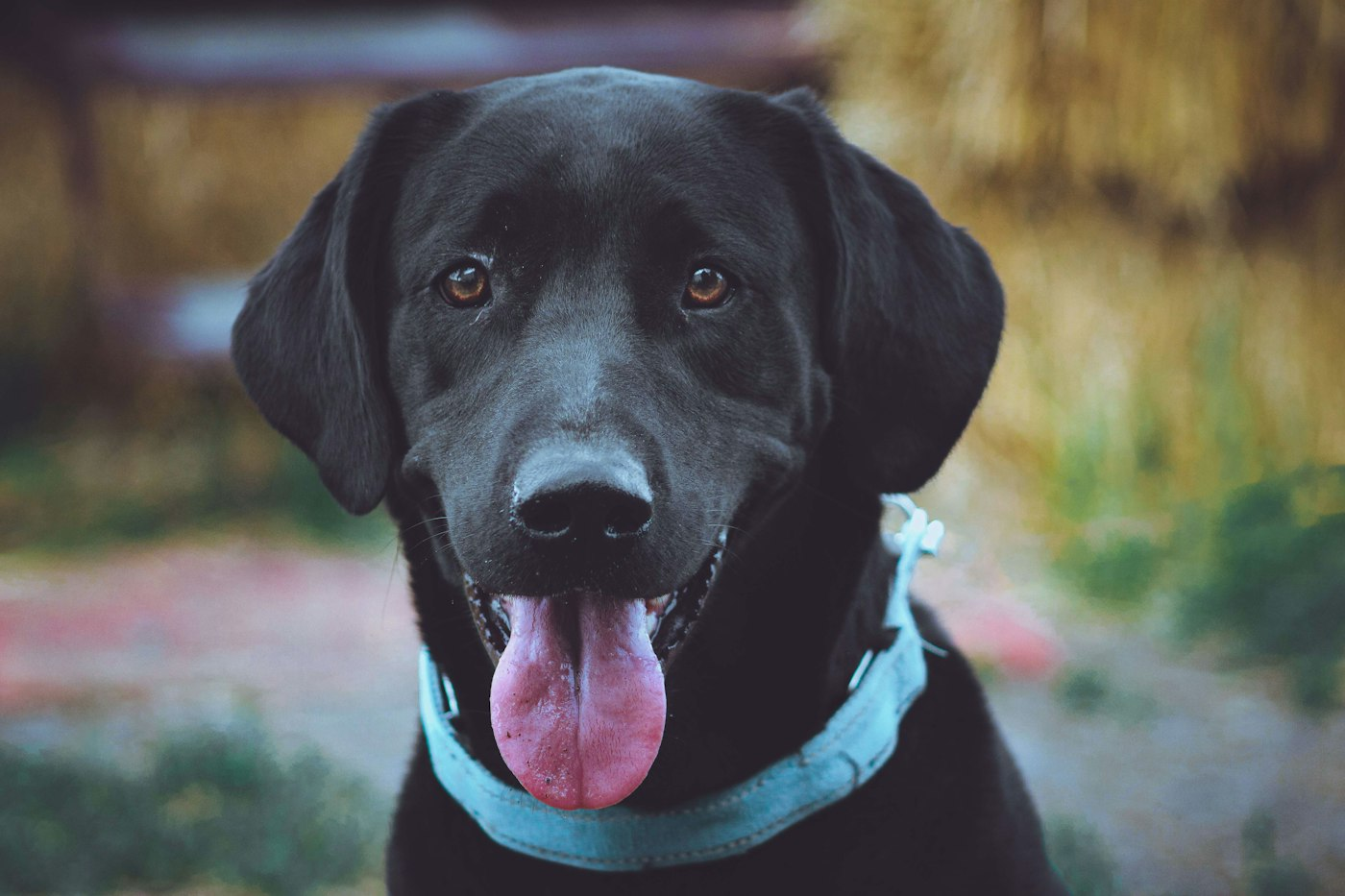
A collar that works perfectly in winter may not be the best choice for summer. Swims, sprinklers, humidity, mud and long days in the sun all take a toll on materials, and a wet, heavy collar can rub or trap moisture against the skin. Thinking about materials helps you choose a collar your dog can wear comfortably all season.
Common collar materials
- Nylon and polyester webbing. Lightweight, affordable and available in many colors and patterns. Webbing absorbs some water and can take time to dry, and it may hold odors after repeated swims, but it is usually machine or hand washable.
- Coated webbing, such as biothane-style materials. A flexible, waterproof coating over a core. These collars shed water, wipe clean easily and resist odor, which makes them popular for swimming dogs and muddy hikers.
- Leather. Durable and handsome, and it can soften with age. Leather does not love repeated soaking, which can cause stiffening or cracking unless it is cleaned and conditioned. Many owners save leather collars for dry days.
- Neoprene-lined collars. Soft padding that can be comfortable, though some linings hold water and dry slowly.
Hardware matters too
Buckles, D-rings and tag rings face their own summer stresses. Salt water and chlorine can corrode some metals, and plastic buckles can become brittle after long sun exposure. Rinse hardware with fresh water after swims, and check it regularly for rust, cracks or weakened stitching where it attaches.
Make sure the ring that holds your dog’s ID tag is secure. A tag that falls off at the lake is not much help on the walk home.
Fit and comfort in hot weather
A summer haircut can change how a collar fits. A collar that was snug on a fluffy winter coat may be loose after a trim, and a loose collar can slip over the head. Recheck the fit after grooming, using the two-finger rule: you should be able to slide two fingers comfortably under the collar, but not much more.
Watch for rubbing, redness or hair loss under the collar, especially on dogs who swim often. Damp fur under a collar can lead to irritation. Taking the collar off at home to let the area dry, while keeping it on for walks and outings, can help. If you notice persistent irritation, ask your veterinarian.
Building a summer collar rotation
Many owners find it helpful to keep two collars in summer: a waterproof or quick-drying collar for swims, beach days and hikes, and a favorite everyday collar for neighborhood walks. Rotating also gives each collar time to dry fully between uses.
Whatever you choose, make sure every collar your dog wears has current identification. A spare ID tag or QR tag on the second collar means your dog is never wearing a collar without your contact information. Before a summer trip, double check that the details on the tag are correct, since a lost dog far from home needs a tag with a number you will actually answer.












