

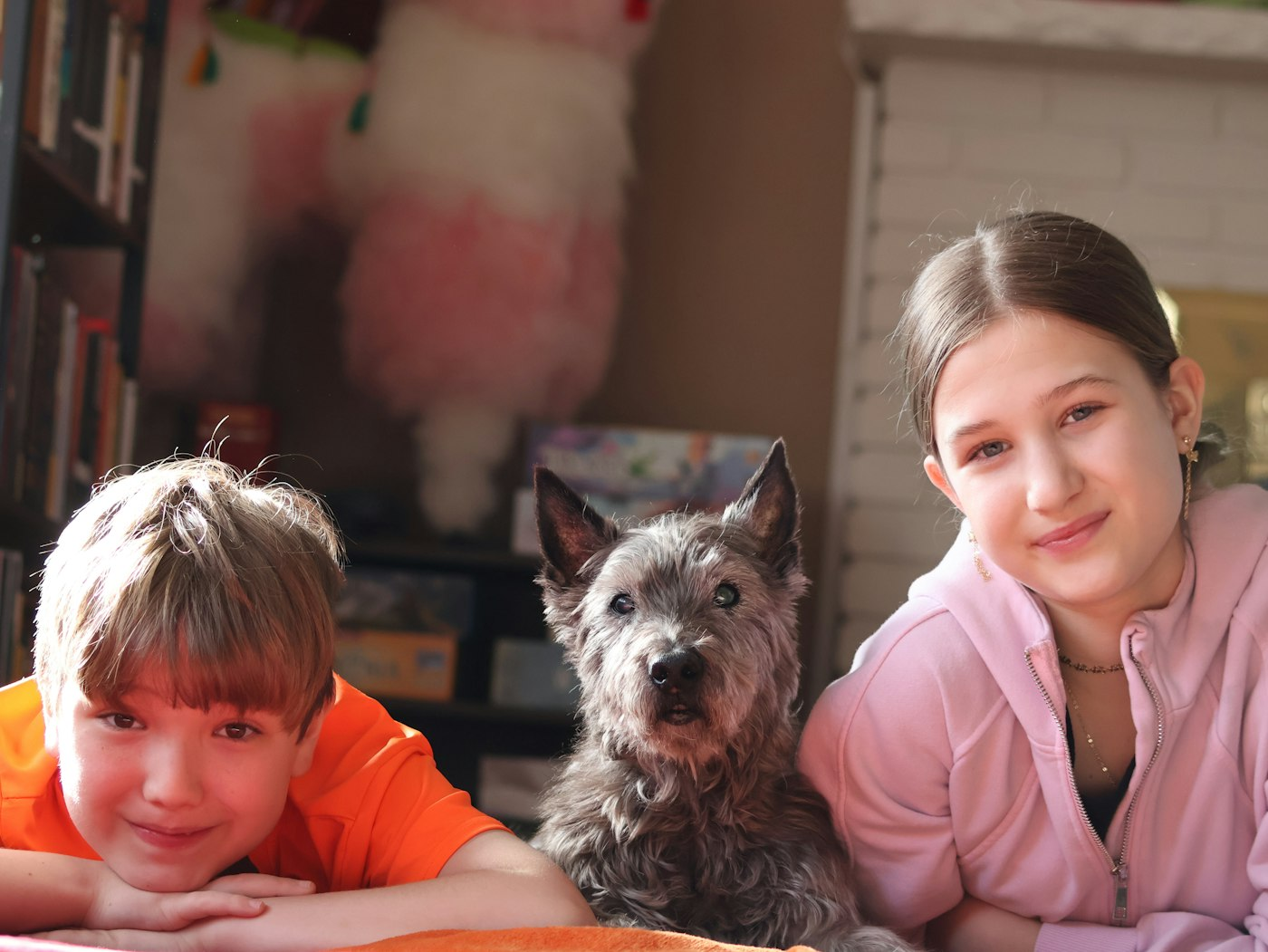
Summer changes the rhythm of many households. School lets out, work schedules flex, relatives visit and evenings stretch late into the night. People adjust easily enough. Dogs, who tend to thrive on predictability, may find the changes confusing. Some become clingy, restless or mischievous; others have trouble settling at bedtime.
You do not need a rigid schedule, but a few anchors can help your dog feel secure.
Anchor meals and bathroom breaks
Mealtimes and bathroom breaks are the foundation of a dog’s day. Try to keep them at roughly the same times, even when the rest of the schedule is in flux. This also helps with house-training for puppies and with digestion for all dogs.
If several people are feeding the dog, put a simple chart on the refrigerator to track meals and medications. It prevents both missed meals and accidental extra helpings.
Protect rest time
A busy house can mean a dog who never truly rests. Adult dogs typically spend a large part of the day sleeping, and puppies need even more. When the kids are home and friends are over, a tired dog can become overstimulated and cranky.
- Set up a quiet resting spot away from the busiest areas of the house.
- Teach children that a dog in their bed or crate is off-limits.
- Build in a midday nap, especially on hot afternoons when outdoor activity is limited.
- Use a crate, gate or separate room when needed to give your dog a break.
Keep training and enrichment going
Summer can be a great time for training, since more family members are around. Short, fun sessions of five or ten minutes fit easily into the day. Involve kids with simple cues like sit and down, under supervision.
When it is too hot for long walks, mental enrichment can help fill the gap: food puzzles, snuffle mats, scent games and short trick sessions all provide stimulation without heat exposure.
Prepare for the return to normal
If summer means more time at home, your dog may get used to having people around all day. When fall arrives and schedules change again, some dogs struggle with being alone. You can ease that transition by building short periods of alone time into the summer, even when someone is home.
Practice leaving the house for a short errand, or have your dog spend quiet time in their own space while family members are in another room. Give a special chew or food toy during these times so being alone becomes something pleasant.
If your dog shows signs of serious distress when left alone, such as destructive behavior, continuous barking or house-soiling, talk to your veterinarian or a qualified trainer. Separation-related problems are easier to address early.












