

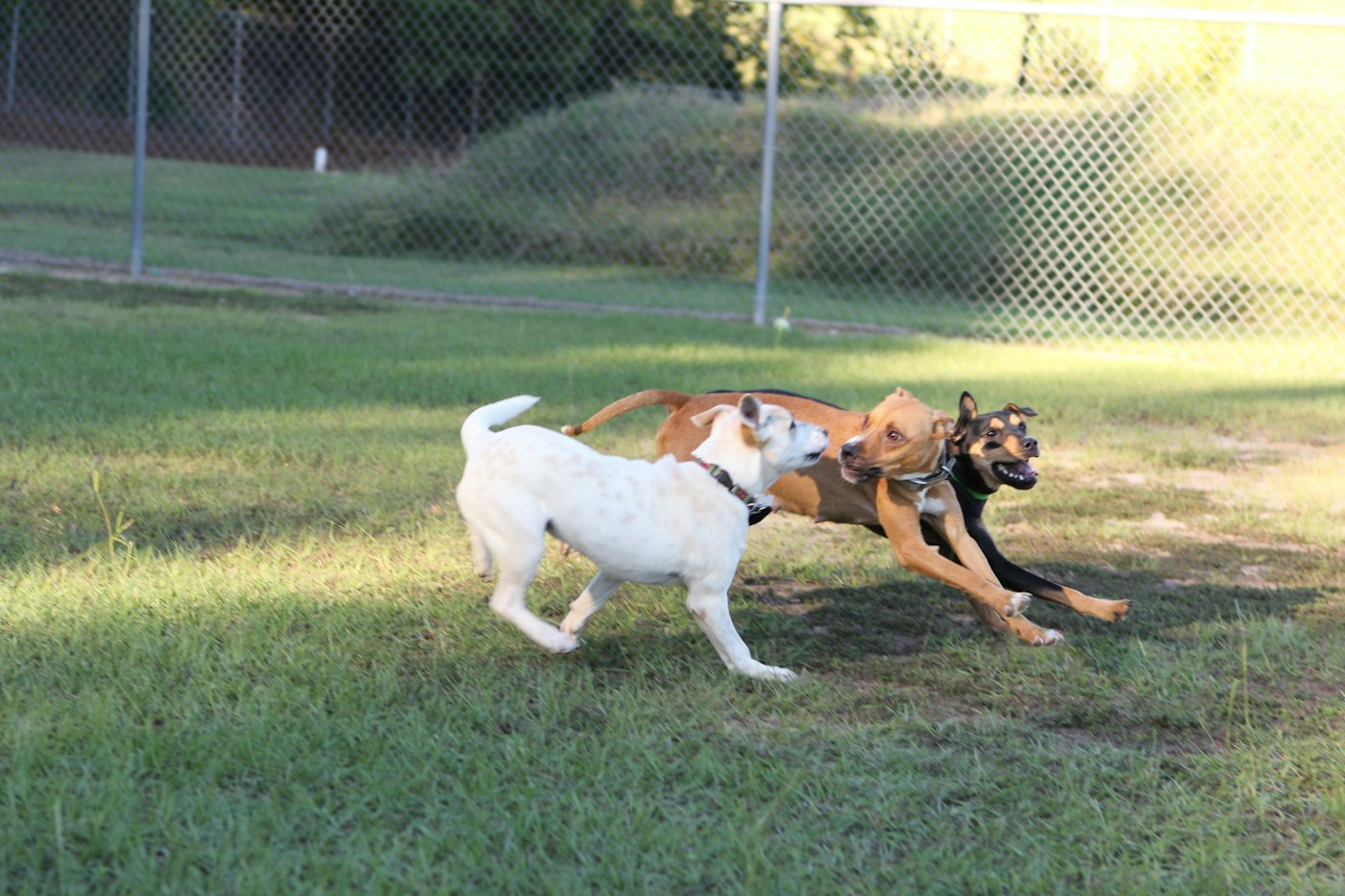
When summer schedules get packed or the weather is too hot for long walks, dog daycare can be appealing. A good daycare offers supervised play, rest and company in a climate-controlled space. But daycare is a big social environment, and it suits some dogs better than others.
Is daycare right for your dog?
Dogs who tend to enjoy daycare are usually social with other dogs, comfortable in busy, noisy places and able to settle down when they are tired. Dogs who are fearful, easily overwhelmed, reactive to other dogs or prone to guarding toys may find it stressful. Senior dogs and very young puppies may need a quieter setup.
If you are not sure, talk to your veterinarian or a qualified trainer. They can help you decide whether group play makes sense or whether another option, such as a dog walker, would be better.
What to look for in a facility
- An evaluation process. Good daycares assess new dogs before admitting them to group play.
- Grouping by size and play style. Small and large dogs, and gentle and rowdy players, should be separated.
- Enough staff. Ask how many dogs each staff member supervises and whether staff are in the play area at all times.
- Rest periods. Constant play can lead to overtired, cranky dogs. Scheduled downtime is a good sign.
- Cleanliness and safe flooring. Floors should be easy to clean and not slippery.
- Vaccination and health requirements. Ask what is required, and check with your vet.
Summer-specific questions
Heat changes how daycare should be run. Ask:
- Are play areas air-conditioned?
- If there is outdoor play, is it limited to cooler times, with shade and water available?
- How do staff watch for overheating, and what do they do if a dog seems too hot?
- Are flat-faced breeds, seniors or overweight dogs managed differently in hot weather?
- What is the plan if the power or air conditioning fails?
Reading your dog’s response
After the first few visits, watch how your dog acts. A dog who enjoys daycare is usually eager to go in, comes home tired but relaxed and sleeps well. Signs that daycare may be too much include reluctance to enter, new fearfulness or irritability, injuries, excessive exhaustion or stomach upset.
Ask staff for honest feedback about how your dog behaves in group play. A good facility will tell you if your dog seems stressed and may suggest fewer days, shorter visits or a different group. Many dogs do best with one or two days a week rather than every day.
Make sure your dog wears a safe collar with an ID tag if the facility allows it; some prefer dogs go collarless during play to avoid tangles, so ask what their policy is and why.












