

Farmers markets, picnic baskets and backyard gardens fill up with fruit in summer, and dogs tend to show a lot of interest. Some fruits can be a healthy, low-calorie treat in moderation. Others are toxic or come with hazards like pits and seeds. Here is a general overview. Talk to your veterinarian before adding new foods, especially if your dog has health conditions or a sensitive stomach.
Fruits that are generally considered safe in moderation
These are often listed as acceptable for dogs in small amounts, prepared properly:
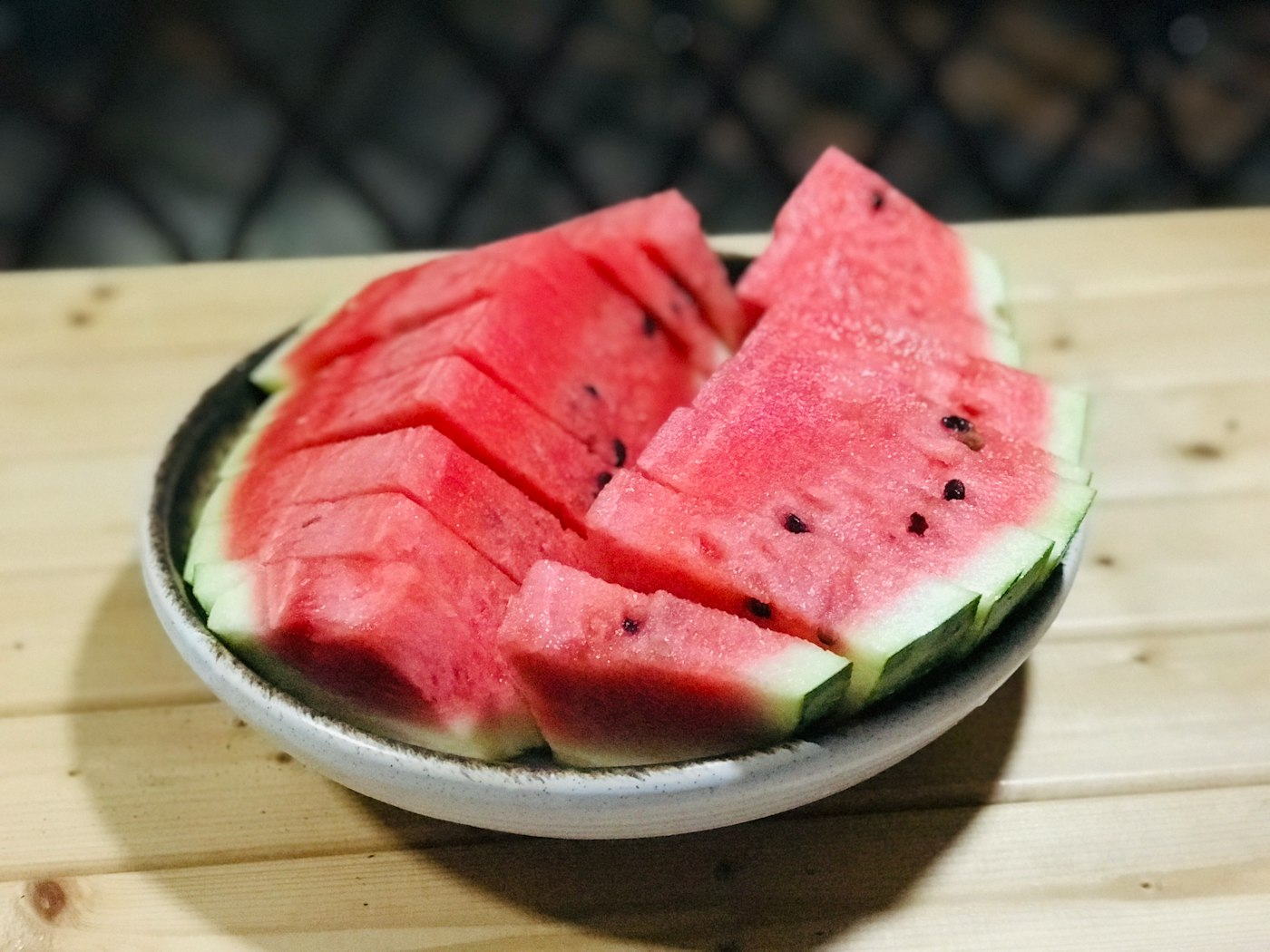
- Watermelon. Remove the seeds and rind. It is mostly water and can be refreshing.
- Blueberries. Small and easy to serve, though they can be a choking risk for tiny dogs.
- Strawberries. Remove the stems and cut into pieces.
- Bananas. Peeled and in small amounts, since they are high in sugar.
- Apples. Remove the core, seeds and stem.
- Cantaloupe. Remove the rind and seeds.
- Peaches. Only the flesh, with the pit removed.
Fruits and parts to avoid
- Grapes and raisins. These can cause serious kidney problems in dogs, and even small amounts can be dangerous. Keep fruit salads, trail mix and baked goods containing them out of reach.
- Cherries. The pits, stems and leaves contain compounds that can be harmful, and pits can cause blockages.
- Pits and stones. Peach, plum, apricot, nectarine and mango pits can cause choking or intestinal blockage.
- Avocado. Often listed as a concern for pets, and the large pit is a choking and blockage risk.
- Unripe or moldy fruit. Moldy fruit, including fallen fruit in the yard, can make dogs sick.
- Citrus peels and seeds. These can upset the stomach.
If your dog eats grapes, raisins or anything else you are worried about, call your veterinarian or a pet poison hotline right away, even if your dog seems fine.
How to serve fruit safely
Wash fruit thoroughly, remove pits, seeds, stems and rinds, and cut it into bite-size pieces appropriate for your dog’s size. Start with a small amount of one fruit and watch for digestive upset over the next day.
Frozen fruit can be a nice option on hot days. A few frozen blueberries or small cubes of seedless watermelon make a cool, crunchy snack, though very small dogs may do better with fruit that is slightly thawed or cut smaller. Fruit is a treat, not a meal. It contains natural sugar, and too much can cause stomach trouble. Keep portions small, and count fruit as part of your dog’s daily treat allowance.
Watch the backyard and the picnic table
Fruit trees and berry bushes can be a hazard if fallen fruit ferments, molds or contains pits. Clean up fallen fruit regularly. At picnics and gatherings, ask guests not to share food with your dog, and keep fruit platters and compost bins out of reach. A little vigilance lets everyone enjoy summer’s harvest safely.












