

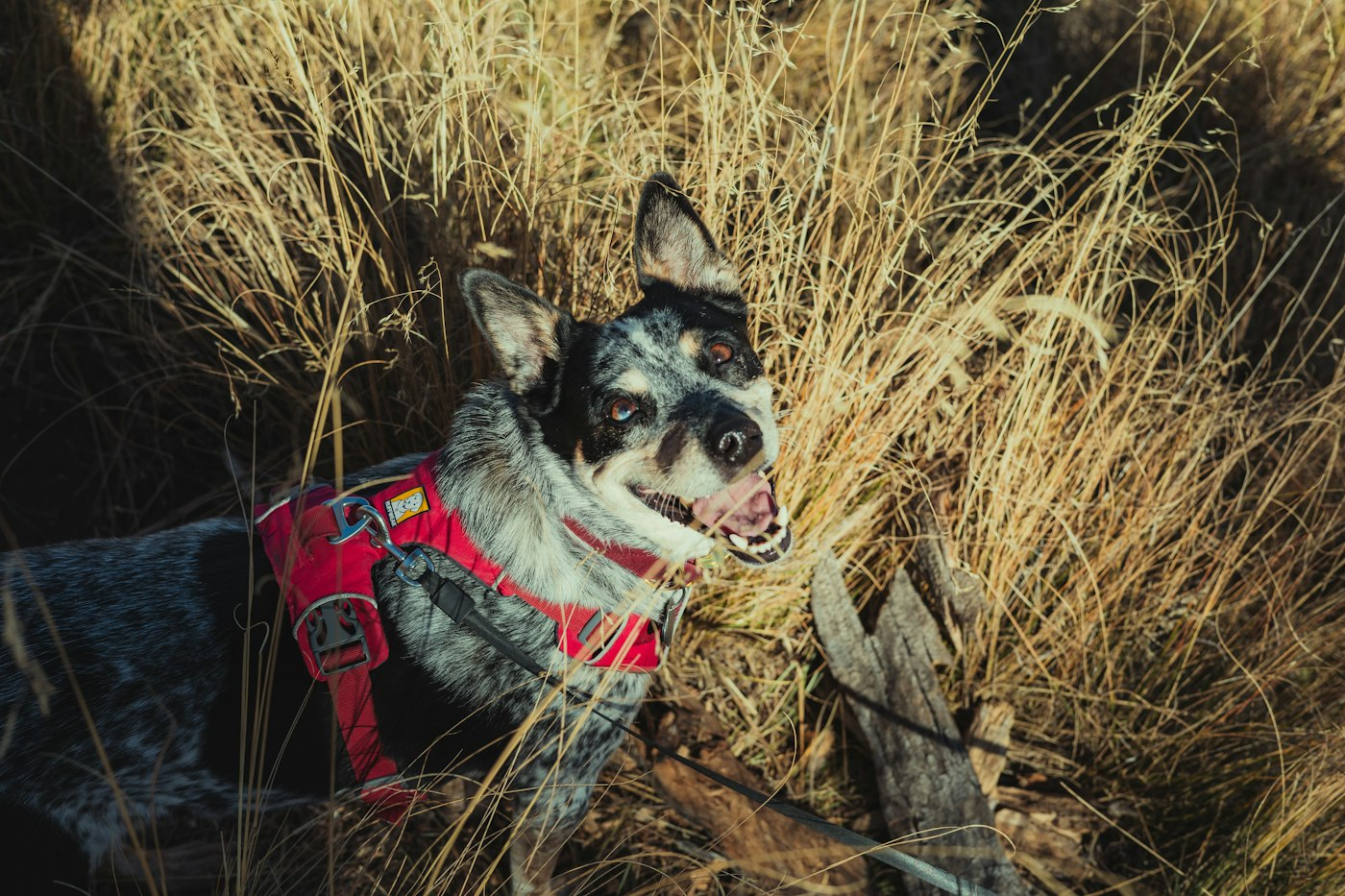
Summer woods and fields are full of things that hitch a ride on a dog: ticks hiding in the coat, grass seeds caught between toes, burrs tangled in fur. Small scrapes and sore pads can go unnoticed during an exciting day. A quick body check after every outing helps you catch problems while they are still small.
This routine takes five minutes once you get used to it. Many dogs come to enjoy it, especially if it ends with a treat.
Set up for success
Pick a spot with good light, ideally outdoors or in a mudroom, so debris does not end up in the house. Keep a small kit handy:
- A slicker brush and a metal comb.
- A flashlight or phone light.
- A towel and a bowl of fresh water.
- A tick removal tool, if you have one.
- Treats to reward patience.
Work from nose to tail
Follow the same order every time so nothing gets skipped:
- Head and face. Check around the eyes, lips and muzzle. Look for redness, swelling or anything stuck in the fur.
- Ears. Lift each ear flap and look inside with a light. Check the outer folds and the base of the ear, a favorite hiding place for ticks.
- Neck and collar line. Slip your fingers under the collar or harness and feel all the way around.
- Chest, armpits and belly. Run your hands slowly over the skin, feeling for bumps.
- Legs and paws. Spread the toes, check between the pads and look at the pads themselves for cuts or burns.
- Tail and rear. Check under the tail and around the base.
What you might find
Ticks. Remove any attached ticks promptly and carefully, grasping close to the skin and pulling steadily. Ask your veterinarian to show you the right technique and to recommend appropriate tick prevention for your area.
Seeds and burrs. Comb out anything caught in the fur. If a grass seed seems to have entered the skin, ear, eye or nose, call your veterinarian rather than trying to remove it yourself.
Scrapes and cuts. Rinse minor scrapes with clean water and keep an eye on them. Deep cuts, bleeding that will not stop or any wound that looks swollen or infected should be seen by a vet.
Sore paws. Hot or rough trails can wear pads. Limping, licking or red, raw pads deserve a call to your veterinarian.
Finish the routine
Give your dog a drink and a rest in a cool spot. Wipe down or rinse muddy legs, dry thoroughly between the toes, and take a quick look at your dog’s gear. Collars and harnesses can trap seeds and debris too, and wet gear should dry fully before the next outing.
Check yourself while you are at it. Anything that hitched a ride on your dog may have found you, too.












