

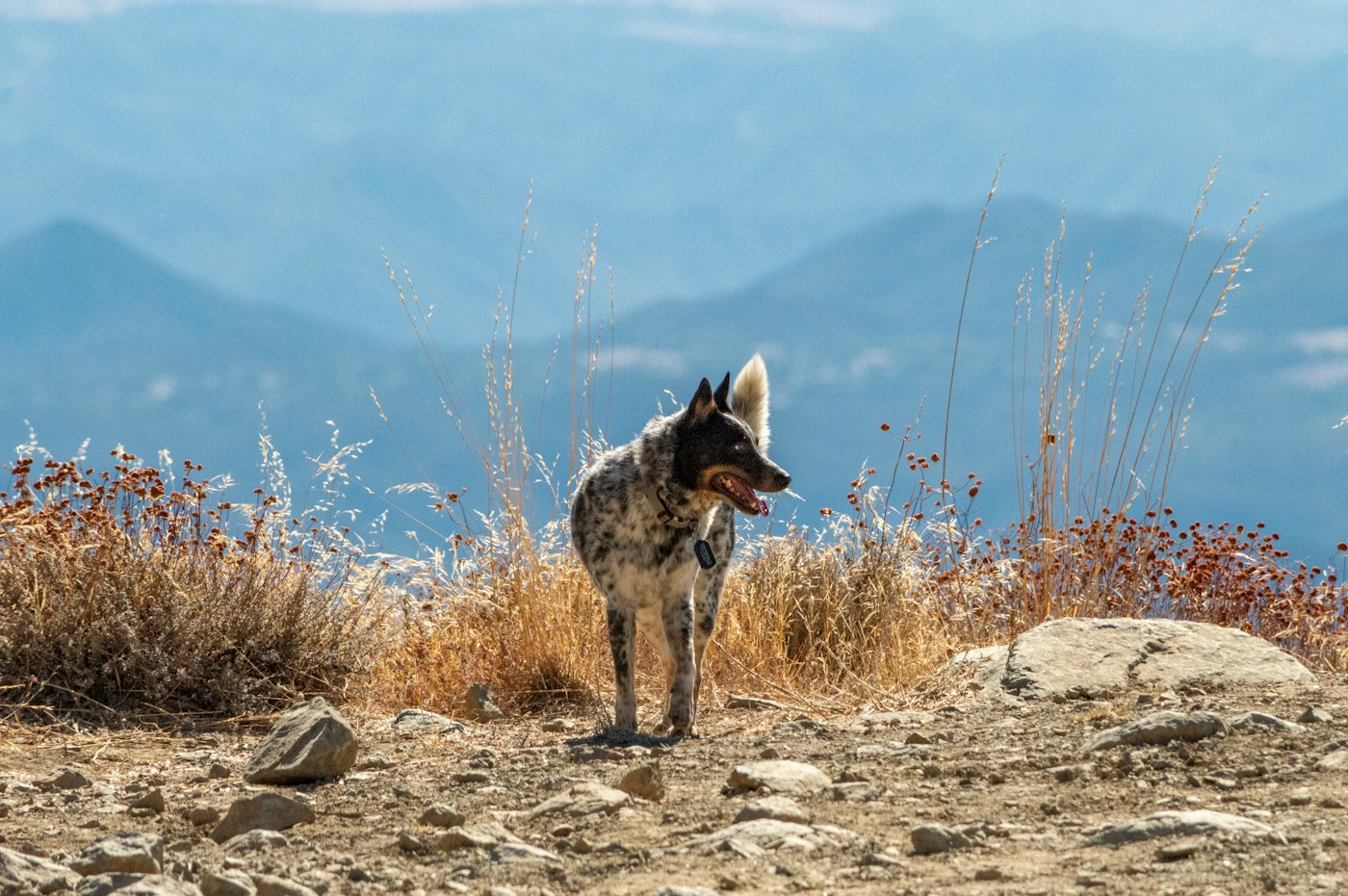
In many parts of the country, warm weather means snakes are out and about. Most snakes are harmless and would rather avoid people and dogs altogether. But dogs are curious, quick and nose-first, which can lead to close encounters, and some regions are home to venomous species.
A little awareness goes a long way toward keeping your summer hikes and backyard time uneventful.
Learn what lives near you
Snake species vary widely by region. Your state wildlife agency or a local park service office is a good source of information about which snakes are common in your area, which are venomous and where they tend to be found. Knowing whether venomous snakes are present helps you decide how cautious to be on a particular trail.
Where snakes like to be
Snakes are cold-blooded and often seek warmth in the morning and shade during the heat of the day. They may be found:
- Sunning on rocks, logs or warm paths.
- Hiding under brush, woodpiles, rock piles and debris.
- In tall grass and along the edges of trails.
- Near water, including creeks, ponds and marshy areas.
Around the yard, woodpiles, overgrown corners and piles of yard waste can attract rodents, which in turn attract snakes.
Habits that reduce encounters
- Keep your dog leashed on trails where snakes are common, and stay on the path.
- Avoid letting your dog poke into holes, brush piles and rock crevices.
- Watch where you and your dog step, especially near rocks and logs.
- Be extra alert at dawn and dusk and on warm evenings.
- Keep your yard tidy, with grass mowed and debris cleared.
- Teach and practice a reliable leave it and a strong recall.
Some trainers offer snake-avoidance training in areas where venomous snakes are common. If you are considering it, ask your veterinarian or a reputable trainer about the methods used and whether it makes sense for your dog. If you spot a snake, calmly lead your dog away and give it plenty of room. Most snakes will move off if left alone.
If your dog is bitten
Treat any suspected bite from an unknown or venomous snake as an emergency. Signs can include sudden pain, swelling, puncture wounds, bleeding, weakness, drooling or collapse, though not every bite is obvious right away.
- Keep your dog as calm and still as possible.
- Call your veterinarian or the nearest emergency animal hospital and let them know you are on the way.
- Carry or walk your dog slowly to the car rather than letting them run.
- Do not cut the wound, try to suck out venom, apply ice or use a tourniquet.
- Note the snake’s appearance from a safe distance, or take a photo if you can do so without risk.
If you hike often in areas with venomous snakes, ask your veterinarian about the risks and options for your region before the season begins, and save the number of the nearest emergency clinic in your phone.












