

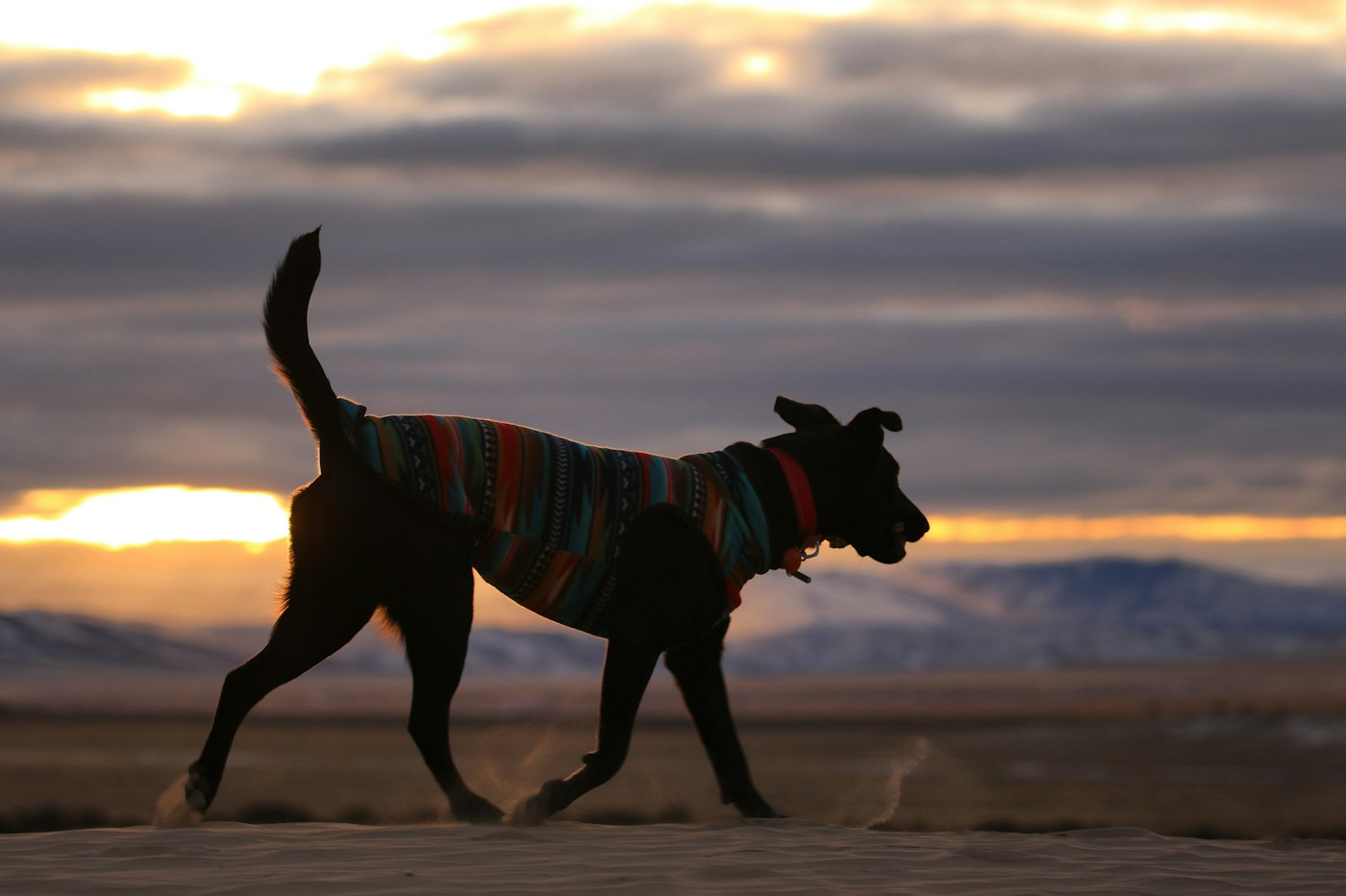
For much of the year, a dog’s walk schedule tends to follow the family’s routine: before work, after dinner, maybe a midday loop. Summer asks for a different plan. The hottest part of the day is generally from late morning through late afternoon, and that is when walks are hardest on dogs and their paws.
Adjusting the schedule takes a little effort at first, but most dogs adapt quickly, and many owners find the early walks become a favorite part of the day.
Make the morning walk the main event
In many places, the coolest time of day is around sunrise. The pavement has had all night to release its heat, the air is calmer and the neighborhood is quiet. If you can, make this your longest walk of the day, with time for sniffing, a brisk stretch and a little training.
Shift gradually if your current walk is later. Moving it fifteen or twenty minutes earlier every few days is easier on both of you than a sudden change.
Evening walks: check the ground first
Evenings can be pleasant, but pavement that baked all afternoon may stay hot after sunset. Do the hand test on the sidewalk before heading out, and choose grassy or shaded routes. Late evening walks also mean less daylight, so a reflective collar or leash and a small light can help you and your dog be seen.
What to do in the middle of the day
Your dog still needs bathroom breaks during the heat of the day, but keep them short, close to home and on grass or shade when possible. Then fill the rest of the time with indoor enrichment:
- Food puzzles and lick mats that make mealtime last longer.
- Short training sessions to practice tricks or polish manners.
- Scent games, such as hiding treats around a room.
- A quiet chew or rest in the coolest spot in the house.
Mental work can be surprisingly tiring for dogs, which helps make up for shorter walks on very hot days.
Keeping structure when the schedule changes
Dogs tend to do well with predictable routines. Even if summer walks happen at new times, try to keep them consistent from day to day. Feed meals at regular times, and keep a steady bedtime routine.
If different family members are covering walks during summer, write the schedule down where everyone can see it. A simple list on the fridge helps avoid both missed walks and accidental double feedings.
Weekends deserve the same attention. It is easy to sleep in and push the walk to late morning, only to find the day already hot. Setting a gentle alarm, or making the early walk a relaxed weekend ritual with a coffee in hand, helps keep the cooler schedule intact. Finally, be flexible on extreme days. If a heat advisory is in effect, it is perfectly fine to swap a long walk for a short one and an extra game indoors. Your dog’s safety matters more than the step count.












