

A cooling vest can be a genuinely useful piece of summer gear, especially for dogs who spend time outdoors in the heat. But it is a tool, not a force field. Understanding how different designs work helps you choose the right one and use it safely.
The three basic designs
Most cooling vests fall into one of a few categories:
- Evaporative vests. You soak the fabric in water, wring it out and put it on your dog. As the water evaporates, it draws heat away, much like sweat does for people. These are lightweight and simple.
- Insert or pack vests. These have pockets for chilled gel packs or cold inserts, usually placed over the chest or back.
- Reflective vests. Light-colored or reflective outer layers help bounce sunlight away and are often combined with an evaporative layer.
Many vests blend these ideas. A light outer shell that reflects sun over a damp inner layer is a common combination.
Where evaporation works best, and where it does not
Evaporative cooling depends on dry air. In a hot, dry climate a damp vest can keep working for a good while. In heavy humidity, water evaporates slowly, and the vest may simply stay wet and warm. On those days, a shaded rest and air conditioning are more reliable.
Rewet an evaporative vest whenever it dries out. A dry vest is just an extra layer, which is the opposite of what you want.
Getting the fit right
A cooling vest should sit close to the body so it actually touches the skin and coat, but it should not restrict breathing, shoulder movement or the ability to lie down. Measure the chest at its widest point, the neck and the back length, and compare those numbers to the maker’s size chart.
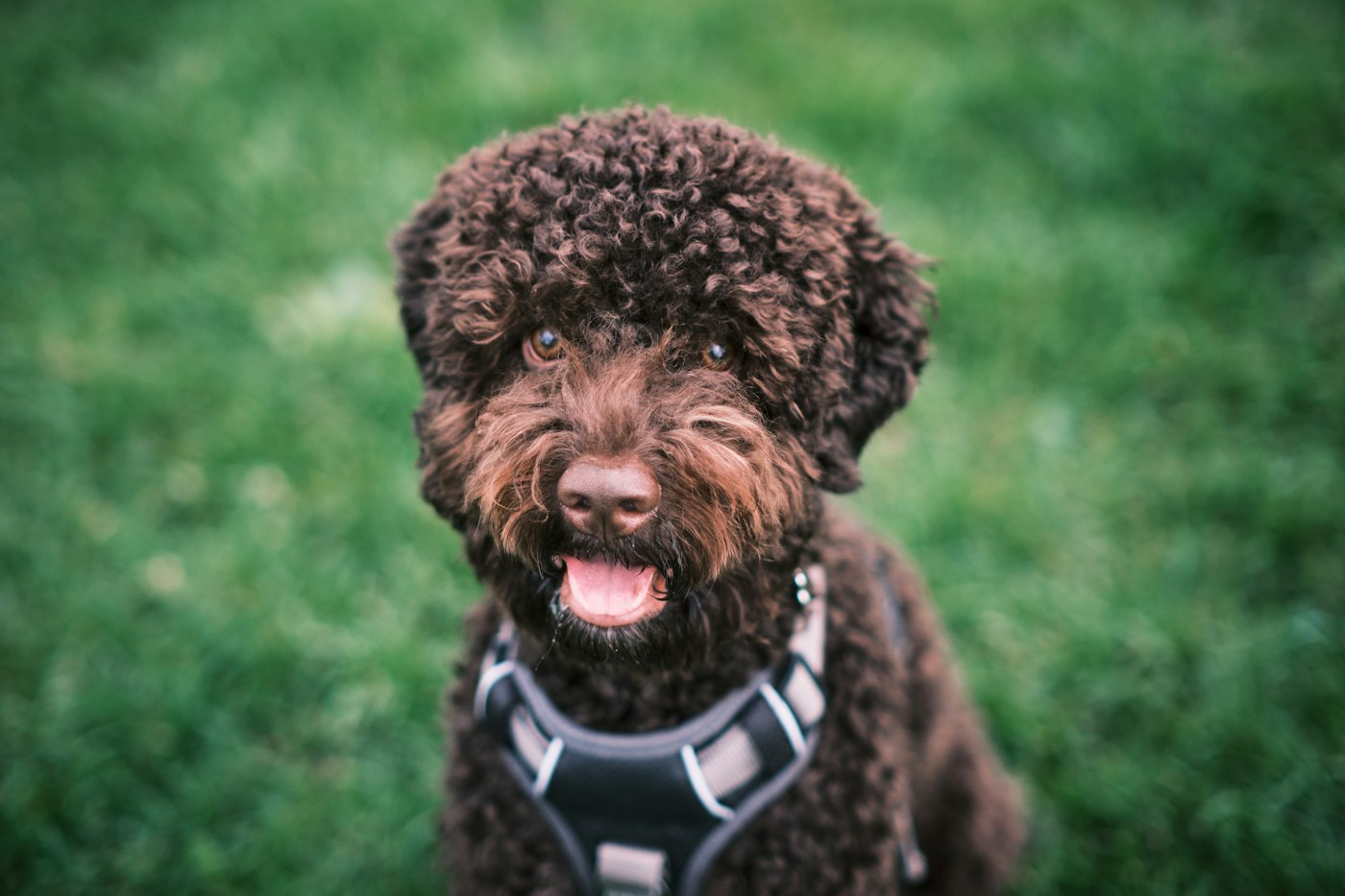
For thick or curly coats, such as many doodles, a vest may sit on top of the fur rather than near the skin. Wetting the coat lightly first can help, but ask your groomer or veterinarian what makes sense for your dog’s coat type.
Using a vest safely
- Try it on at home first, for short sessions, with treats.
- Never use a vest as a reason to exercise longer or harder in heat.
- Carry water for drinking, too; a vest cools the outside of the body, but your dog still needs to stay hydrated.
- Watch for signs of overheating whether or not your dog is wearing one.
- Remove it if it dries out, slips, rubs or seems to bother your dog.
- Let it dry fully between uses to prevent mildew and odor.
Used well, a cooling vest can make a hot errand, a shaded picnic or a short summer hike more comfortable. Pair it with water, shade and good timing, and it becomes one part of a sensible summer plan.












