

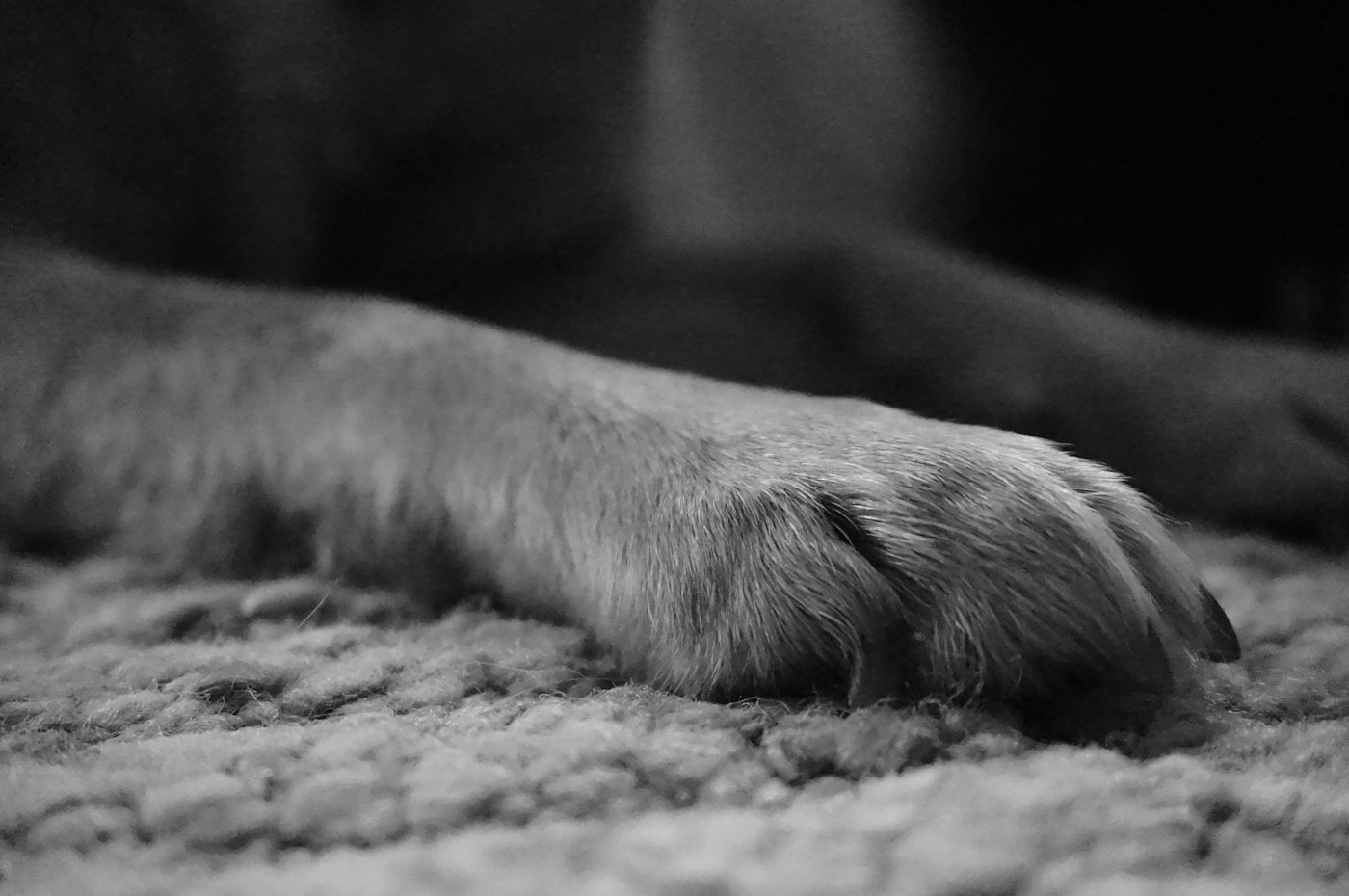
On a sunny summer afternoon the air might feel pleasant, but the surface under your dog’s feet can be much hotter. Dark asphalt absorbs sunlight all day and holds that heat into the evening. Paw pads are tough, but they are not built for standing on a hot skillet.
The hand test
The simplest check is one you can do on any sidewalk. Press the back of your hand flat against the pavement and hold it there for seven seconds. If it is uncomfortable for you to keep your hand down that long, it is too hot for your dog to walk on.
Use the back of your hand because the skin there is more sensitive than your palm, which makes the test a little more conservative. Test the actual surface you plan to walk on, since asphalt, concrete, brick and metal grates heat up differently, and shade makes a big difference.
Surfaces that get hottest
- Blacktop roads, parking lots and driveways.
- Metal surfaces such as manhole covers, grates, truck beds and boat decks.
- Artificial turf, which can become surprisingly hot in direct sun.
- Dry sand at the beach during the middle of the day.
- Light-colored concrete, which is often cooler than asphalt but can still be too hot.
Grass, dirt trails and shaded paths are usually the most comfortable choices on warm days.
Planning walks around the heat
The easiest way to protect paws is timing. Early morning, before the sun has had hours to bake the ground, is often the coolest window. Late evening is next, though pavement can stay warm well after sunset.
Plan routes with grass along the edges, shaded streets or park trails. If you must cross a hot parking lot, keep it brief, or carry a small dog across. Avoid making your dog wait on hot pavement at crosswalks; step onto a patch of grass or shade instead.
Dog booties can help on unavoidable hot surfaces, but they take some getting used to and can make it harder for a dog to shed heat through their pads. Introduce them gradually and treat them as a backup, not a reason to walk at noon.
Signs of a burned paw
Keep in mind that a dog’s enthusiasm is not a reliable guide. Many dogs will happily trot across hot ground because they want to keep up with you or reach the park, and they may not show discomfort until damage is done. It is up to the person on the other end of the leash to make the call. Watch for limping, refusing to walk, licking or chewing at the feet, or pads that look darker, red, blistered or peeling. If you notice any of these, move your dog to a cool surface, rinse the paws with cool water and call your veterinarian for advice. Burns can become infected, and your vet can tell you how to care for them properly.












