

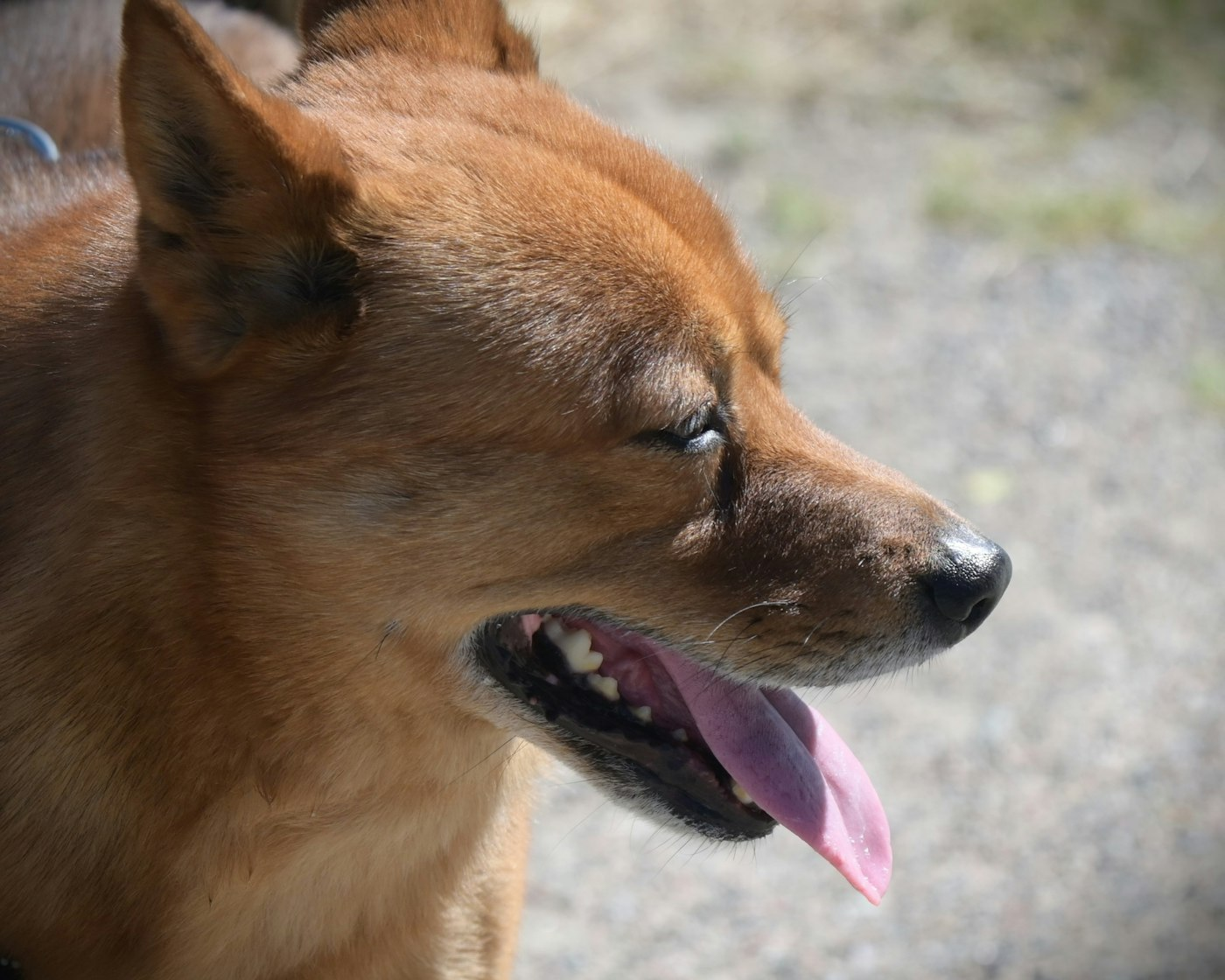
Heatstroke is one of the most serious summer risks for dogs, and it can develop faster than many owners expect. The good news is that it is also largely preventable, and knowing the early signs gives you a chance to act before a warm afternoon turns into an emergency.
This guide is general information. If you think your dog is overheating, contact your veterinarian or an emergency animal hospital right away.
Why dogs overheat
People cool off mainly by sweating across large areas of skin. Dogs have sweat glands mostly in their paw pads, and they rely heavily on panting to move heat out of their bodies. Panting works by evaporating moisture from the mouth and airways, which becomes much less effective when the air is already humid.
That is why a muggy day can be more dangerous than a dry one at the same temperature. Exercise, excitement, a lack of shade and a lack of water all add to the heat load.
Dogs at higher risk
Any dog can overheat, but some need extra caution:
- Flat-faced breeds such as Bulldogs, Pugs and Boston Terriers, whose airways make panting less efficient.
- Puppies and senior dogs.
- Dogs carrying extra weight.
- Dogs with heart, breathing or other health conditions.
- Very active dogs who will keep running long after they should stop.
If your dog falls into one of these groups, ask your veterinarian what limits make sense for exercise and time outdoors.
Warning signs to watch for
Early signs can look like a dog who is simply working hard. Pay attention when you notice several of these together:
- Heavy, frantic panting that does not slow down with rest.
- Thick drool or a very wide, flat tongue.
- Gums or tongue that look unusually red, or pale or bluish.
- Restlessness, confusion, stumbling or weakness.
- Vomiting or diarrhea.
- Collapse or seizures.
Signs like confusion, collapse or seizures mean the situation is critical. Do not wait to see if it improves.
First steps while you get help
Call your veterinarian or the nearest emergency clinic and tell them you are on the way. While you arrange transport, start cooling your dog gently:
- Move them into shade or air conditioning.
- Wet their body with cool, not ice-cold, water. Very cold water or ice can cause blood vessels near the skin to constrict, which may slow cooling.
- Put a fan on them or drive with the air conditioning running.
- Offer small amounts of water if they are alert and want to drink, but do not force it.
Even if your dog seems to recover, a veterinary exam is important. Heatstroke can cause internal effects that are not visible right away. The best plan, of course, is prevention: walk in the cooler hours, carry water, find shade and stop early.












