

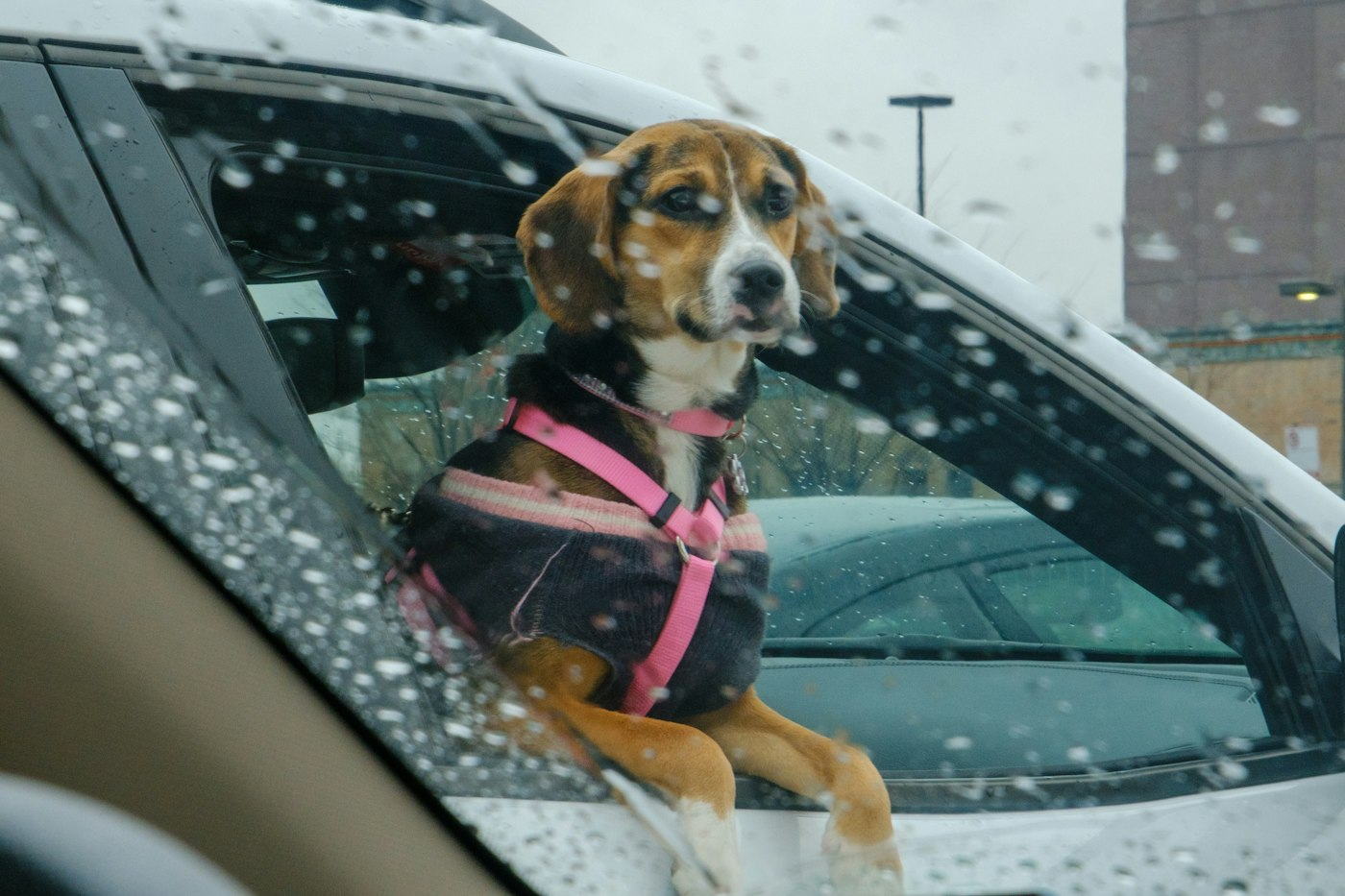
Dogs are more likely to get lost in unfamiliar places. A startled dog at a rest stop, an open door at a vacation rental or a slipped harness at a trailhead can happen to anyone. If someone finds your dog far from home, the information on their tag needs to help that person reach you quickly. Before summer travel, take a few minutes to make sure your dog’s ID works for where you are going.
Why Travel Changes the Picture
At home, a neighbor who finds your dog might already know where you live. On the road, the finder is a stranger in a place you do not know well. Your home address may be hundreds of miles away and less useful in the moment. A landline number at an empty house will not reach you. What the finder needs is a fast way to contact you, wherever you are.
Updating a QR Tag Profile
One advantage of a QR ID tag is that the information linked to it can usually be updated without replacing the tag. Before you leave, review the profile and consider:
- Make sure your cell phone number is listed first.
- Add a second contact, such as a travel companion or a trusted friend at home.
- Note that you are traveling and, if comfortable, the general area or the name of where you are staying.
- Include important medical needs, such as medications or allergies.
- Add a current, clear photo of your dog.
- Remove outdated information.
After the trip, update the profile again to remove temporary details.
Engraved Tags and Microchips
If your dog wears an engraved tag, check that the phone number is current and still readable. Worn engraving can become hard to read over time. If you are getting a new tag, a cell phone number is usually the most useful information to include.
Many owners have their dog wear both an engraved tag and a QR tag, so a finder has more than one way to reach them.
A microchip is a permanent form of identification, but only works if the registration information is current. Before you travel, check with the microchip registry to confirm your phone number and email are correct. If you have moved or changed numbers, update it. A shelter or veterinary clinic that scans your dog will use that registry information to reach you.
A Pre-Trip ID Checklist
- Collar fits well and the buckle is secure.
- ID tag is attached firmly and is readable.
- QR tag scans correctly and the profile is current.
- Microchip registry has your current contact information.
- You have recent photos of your dog on your phone.
- You have a copy of vaccination records.
If Your Dog Gets Lost While Traveling
Act quickly. Search the immediate area, call your dog’s name calmly and ask people nearby to keep an eye out. Contact local animal control, shelters and veterinary clinics near where your dog went missing. Post on local lost-pet groups with a clear photo. Let your hotel, campground or rental host know.
Good ID does not prevent a dog from getting lost, but it dramatically improves the odds of a fast reunion. A few minutes before you go is well worth it.












