

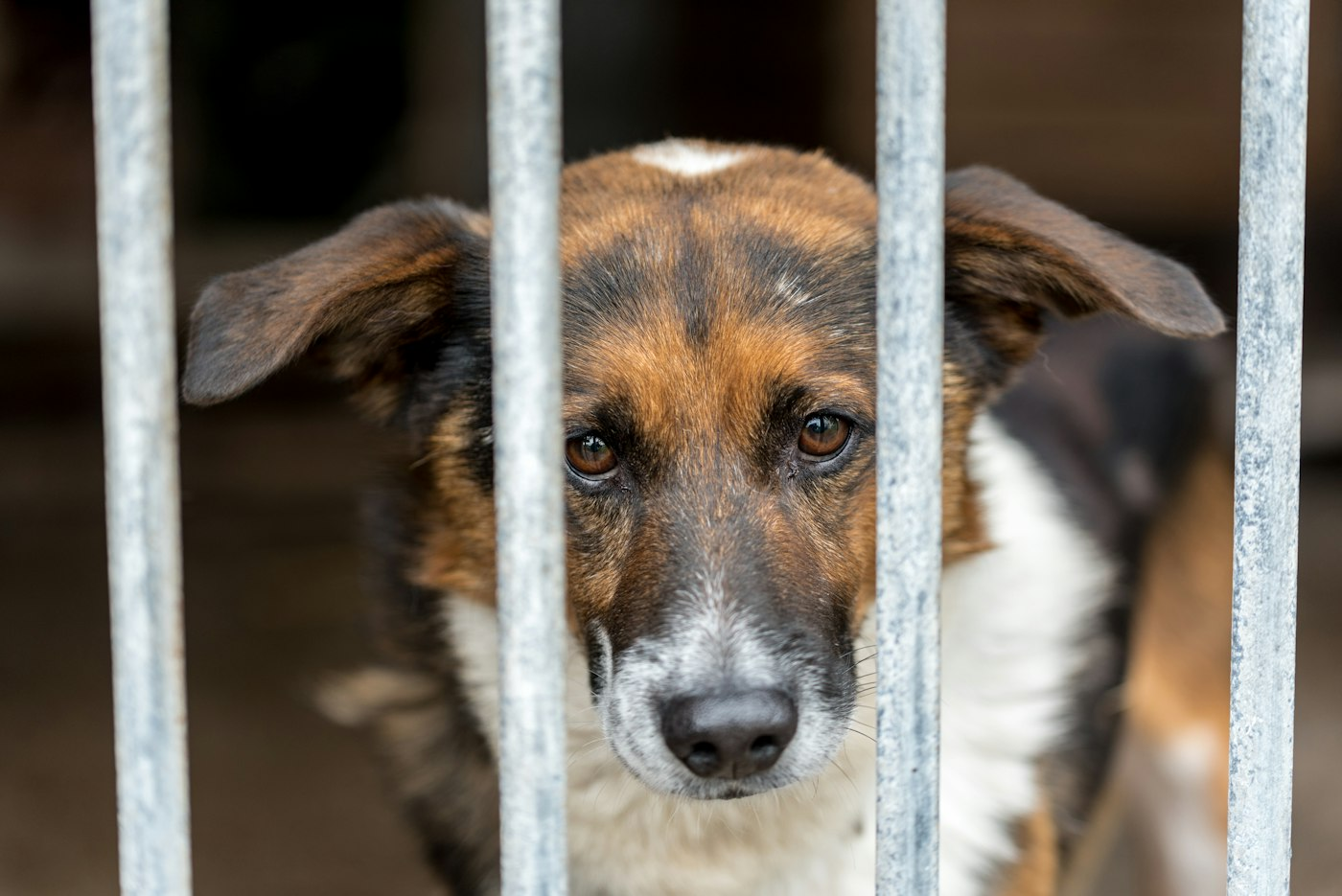
Adopting a dog from a shelter or rescue gives a dog a new start and can bring a wonderful companion into your life. Spring is a popular time to adopt, as longer days make it easier to settle a new dog into a routine. If you have never adopted before, the process can feel unfamiliar. Here is a general look at what usually happens.
Shelters and Rescues Are Different
Municipal and private shelters typically house dogs in a facility, where you can visit and meet them. Rescue groups often place dogs in volunteer foster homes, and you meet the dog through the foster. Both can be excellent sources. Fosters can sometimes tell you more about how a dog behaves in a home, around other pets or with visitors, while shelters may have more dogs to meet in one visit.
The Application
Most organizations ask you to fill out an application. Common questions cover your living situation, whether you rent or own, other pets in the home, your daily schedule and your experience with dogs. Renters may be asked for landlord permission. Some groups request references or a veterinary reference if you have had pets before.
These questions are not meant to be a hurdle. They help the organization match you with a dog whose needs fit your life. Be honest. A high-energy dog in a home where everyone is away all day is not a good match for anyone, and the staff would rather help you find the right dog the first time.
Meeting Dogs
Ask the staff or foster plenty of questions:
- What is the dog’s energy level, and how much exercise do they seem to need?
- How do they do with other dogs, cats or children, if that is known?
- Do they have any known health issues?
- How do they handle being alone, being handled or riding in a car?
- What is known about their history?
Keep in mind that shelters are stressful places. A dog who seems shy or frantic in a kennel may relax a lot in a home, and the opposite can be true too. If you have another dog, many organizations arrange a meeting between the dogs before adoption.
Fees and What They Cover
Adoption fees vary widely by organization. They often help cover care the dog has already received, which may include vaccinations, spay or neuter surgery and a microchip. Ask what is included so you know what still needs to be done. If a microchip is included, make sure you register it with your own contact information right away.
Preparing for Day One
Before bringing your dog home, set up the basics: a well-fitted collar with an ID tag, a leash, a crate or gated area, food, bowls and a bed. Ask what food the dog has been eating so you can transition gradually. Schedule a visit with your own veterinarian in the first week or two.
Many adopted dogs need time to decompress. It can take days or weeks for a dog’s true personality to show. Keep the first days calm and predictable, with short walks and quiet time. If questions come up, many shelters and rescues offer post-adoption support, so do not hesitate to reach out.












