

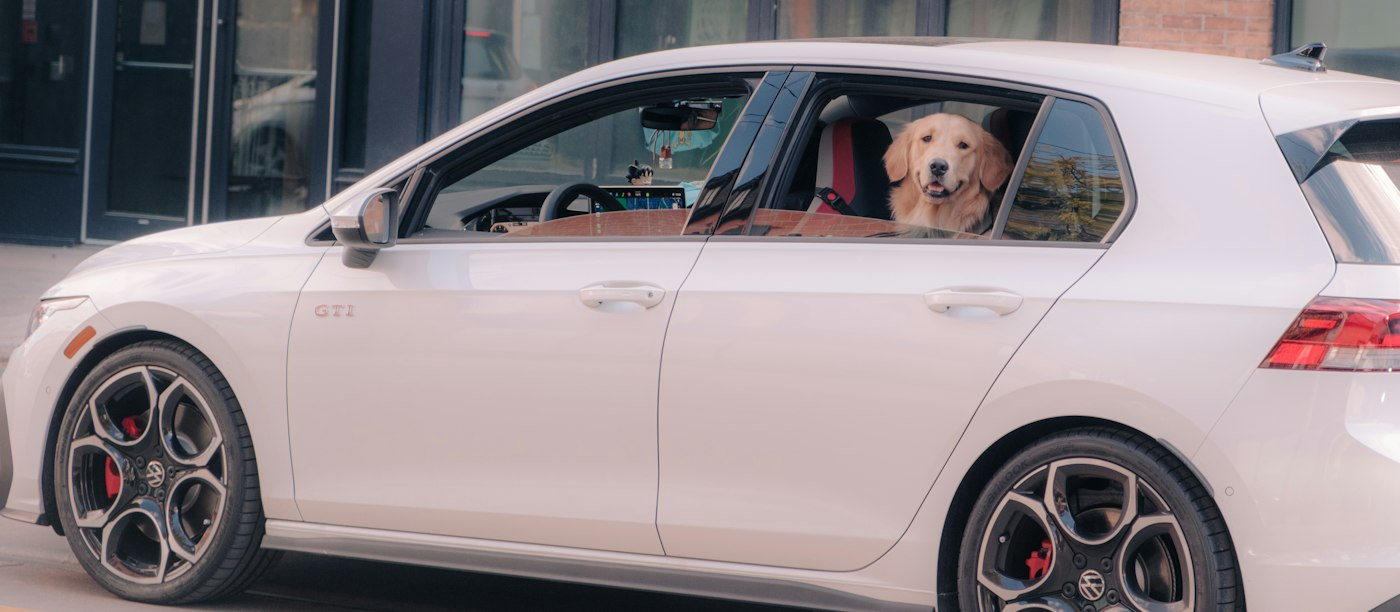
Long drives can be tiring for dogs. They need chances to stretch, relieve themselves, drink and sniff around. Planning your stops before you leave makes the drive smoother, keeps your dog more comfortable and helps you avoid hunting for a safe patch of grass at the last minute.
How Often to Stop
There is no single right answer, because it depends on your dog’s age, size, health and how well they travel. Many owners plan a short break every two to three hours for adult dogs. Puppies, senior dogs and dogs with medical conditions often need more frequent stops. Your practice drives before the trip are the best guide. If your dog starts getting restless after ninety minutes, plan around that.
Ask your veterinarian for advice if your dog has health concerns that affect how long they can comfortably ride.
What Makes a Good Stop
Not all stops are equal. Highway rest areas often have designated pet areas, which tend to be cleaner and safer than random grass near a parking lot. State welcome centers can be good, too. Some travelers use mapping apps to scout parks a short detour off the highway.
- Look for space away from traffic and parked cars.
- Avoid areas with broken glass, litter or standing water.
- Watch for hot pavement on warm days; test it with the back of your hand.
- Be aware that pet areas see a lot of dogs, so keep yours from sniffing every spot if you are unsure of other dogs’ health.
Safe Exits from the Car
The moment the car door opens is when many dogs bolt. Make it a habit to clip the leash on before your dog is released from their harness or crate. Teach a cue like “wait” so your dog stays in place until you invite them out. Practicing this at home in the driveway pays off at an unfamiliar rest stop.
Your dog should wear a collar with current ID at all times while traveling. A tag with your cell number or a QR tag that links to up-to-date contact information can make a big difference if the worst happens.
Making the Break Count
A good break is not just a potty stop. Give your dog a few minutes to walk and sniff, which is mentally refreshing for dogs. Offer water, even if your dog does not drink much. Check paws for burrs or small cuts. For long days, a short game of tug or some simple training can help burn energy before the next stretch.
Feed meals when you have a longer stop rather than right before getting back on the road, especially for dogs prone to car sickness.
Never Leave Your Dog Alone in the Car
Temperatures inside a parked car can climb quickly, even on days that feel mild. If you need to use the restroom or buy food, take turns with a travel partner so someone stays with the dog with the air running, or choose stops where your dog can come with you. Leaving a dog alone at a rest area also risks theft or escape.
With a little planning, rest stops become part of the adventure rather than a hassle. Many dogs come to love the new smells at every stop, and you will both arrive in better shape.












