

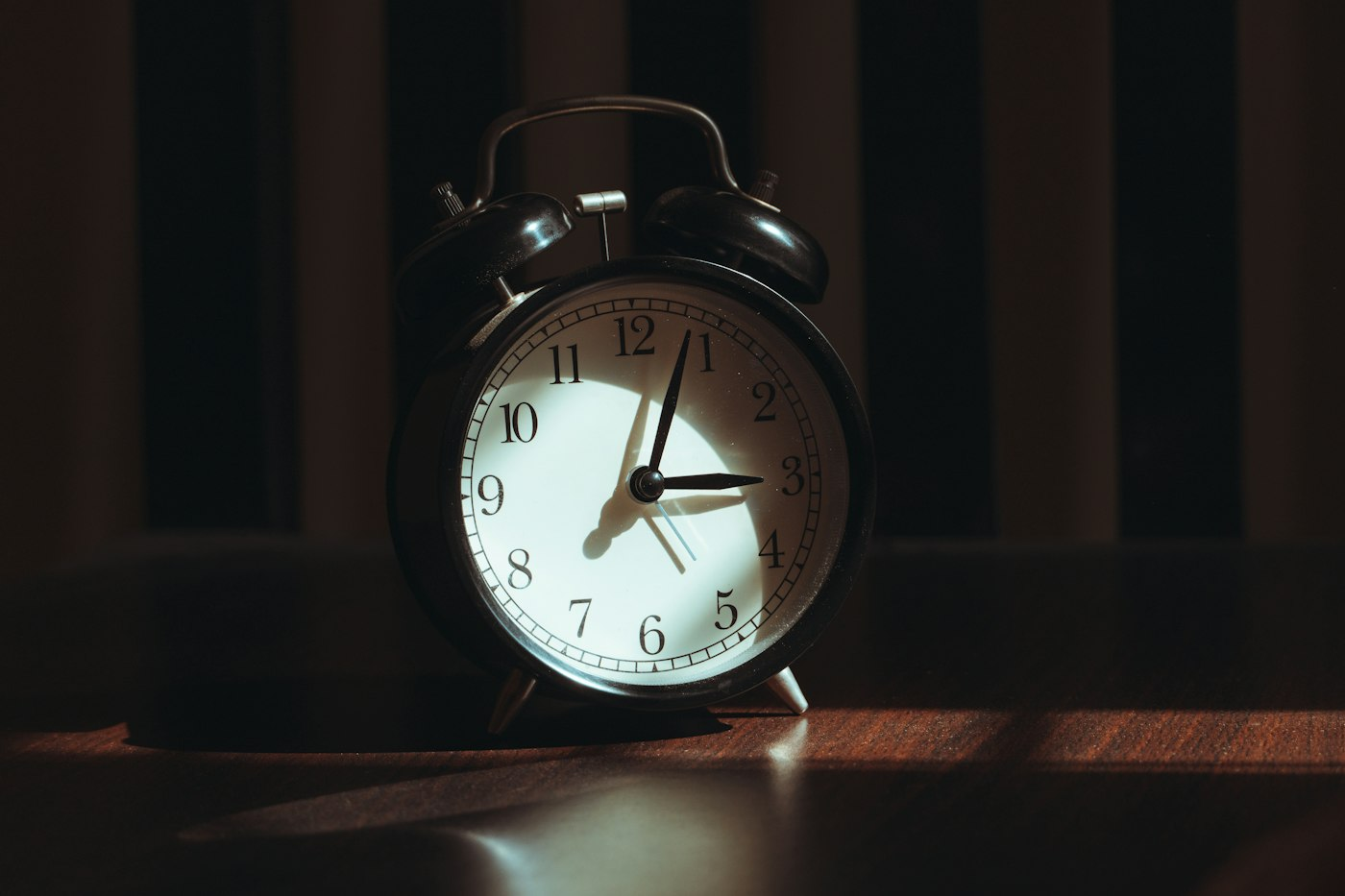
In most of the United States, daylight saving time begins on the second Sunday in March, when clocks move forward an hour. Hawaii and most of Arizona do not observe it. For people, the change means a groggy Monday. For dogs, it means breakfast, walks and bedtime suddenly arrive an hour off from what their internal clock expects. Most dogs adjust within days, but a little preparation can make the shift smoother, especially for dogs who thrive on routine.
Why dogs notice the change
Dogs are creatures of habit. Many learn to anticipate meals, walks and the moment you pick up your keys, partly from daily rhythms and partly from cues like light and household activity. When the clock jumps forward, your schedule shifts but your dog’s body has not caught up yet. Some dogs will not seem to notice. Others may be hungry early, restless at bedtime or confused about walk times for a few days.
Shift the routine gradually
One of the simplest approaches is to adjust your dog’s schedule in small steps in the days before the change.
- Starting several days ahead, move meals and walks about ten to fifteen minutes earlier each day.
- Shift bedtime and wake-up time in the same small steps.
- By the time the clocks change, your dog’s routine will already be close to the new time.
If gradual shifting is not practical for your household, you can make the change all at once. Most healthy adult dogs adapt within a week or so. Expect a few early wake-up nudges or a dog staring at the food bowl before mealtime, and respond calmly rather than giving in each time, so the new schedule settles in.
Pay attention to dogs who need extra care
Some dogs are more sensitive to schedule changes. Dogs on medications that must be given at specific times, including insulin for diabetic dogs, may need a carefully planned adjustment. Talk to your veterinarian before the change about how to shift medication timing safely. Senior dogs, puppies and anxious dogs may also benefit from a more gradual approach and extra patience.
Make the most of lighter evenings
The upside of the spring time change is more daylight in the evening. Many owners find it easier to fit in a longer after-work walk, a game of fetch in the yard or a training session outdoors. Mornings, on the other hand, may be darker for a while, so keep reflective gear and a light handy for early walks.
Keep everything else steady
While the clock shifts, keep other parts of your dog’s day consistent: the same meals, the same walking routes, the same bedtime rituals. Familiar patterns help dogs feel secure during any change. If your dog seems unusually anxious, stops eating or shows other changes that last beyond a week or two, check in with your veterinarian to make sure nothing else is going on.












