

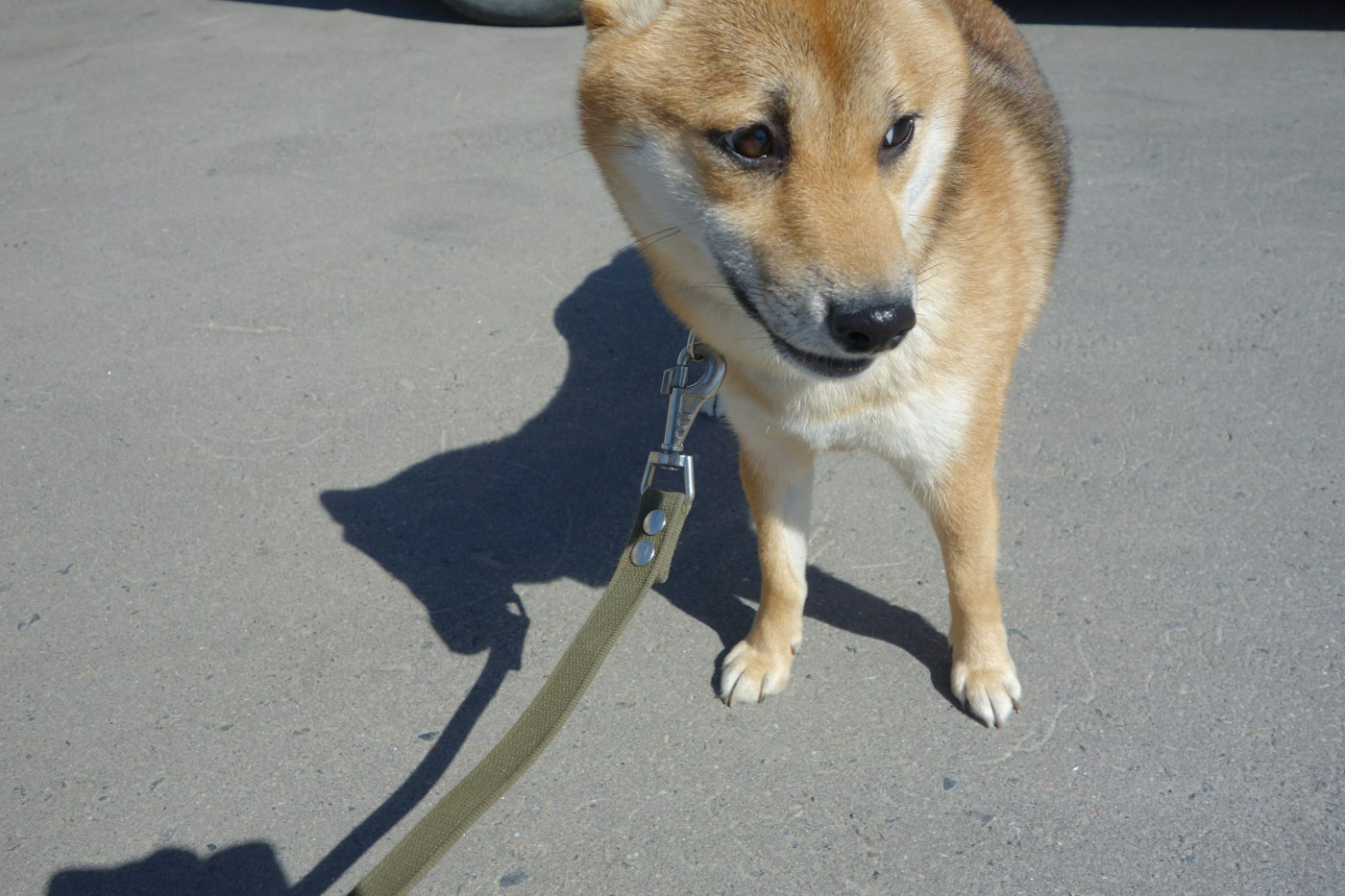
Almost every dog owner has dealt with pulling at some point, and almost every owner has heard an explanation for it. Some of those explanations are helpful. Others are outdated or simply wrong, and they can lead to frustration or methods that do more harm than good. Here are some common beliefs about leash pulling, and what most modern trainers and behavior professionals understand about them.
Myth: dogs pull because they are trying to be dominant
Fact: Pulling is usually much simpler. Dogs walk faster than we do, they want to reach smells and other dogs, and pulling often gets them there. Behavior that is rewarded tends to be repeated. Ideas about dominance and pack leadership have been widely questioned by animal behavior experts, and thinking about pulling as a power struggle tends to lead to confrontational methods. Thinking about it as a learned habit leads to teaching a better alternative.
Myth: some dogs are just pullers and cannot be taught
Fact: Some dogs find loose-leash walking harder than others. Young dogs, high-energy breeds and dogs who are very social or very interested in smells may take longer. But most dogs can improve with consistent, reward-based training. Progress may be gradual, and a dog may walk beautifully in a quiet neighborhood but struggle near a busy park. That is normal and simply means practicing at the right difficulty level.
Myth: a harness teaches dogs to pull
Fact: Harnesses do not cause pulling. However, some back-clip harnesses make pulling more comfortable for the dog, so they may not discourage it. Front-clip harnesses redirect a dog to the side when they pull, which can make pulling less effective. Many trainers like harnesses because they spread pressure across the chest instead of the neck. The right equipment depends on your dog; a trainer or your veterinarian can help you choose.
Myth: a few sharp leash corrections will fix it fast
Fact: Jerking the leash may interrupt pulling in the moment, but it can cause pain, strain the neck and create negative associations with walks, people or other dogs. Many behavior professionals recommend avoiding aversive methods because of these risks. Rewarding a slack leash, stopping when the leash tightens and building focus gradually are more humane approaches that many dogs respond to well.
Myth: more exercise alone will stop pulling
Fact: A tired dog may pull less at the end of a walk, and exercise is important for every dog. But exercise does not teach a new skill. A dog who has always pulled will often pull at the start of every walk no matter how active they are. Combining exercise with short, focused training sessions works better than relying on either one.
One last point: pulling is not only a manners issue. It can also be a safety issue for both dog and person, increasing the risk of falls, slipped collars and neck strain. And sometimes changes in how a dog walks, such as suddenly pulling, lagging or refusing to walk, are linked to pain or fear. If your dog’s walking habits change, talk to your veterinarian. If pulling feels unmanageable, a qualified trainer can build a plan with you.












