

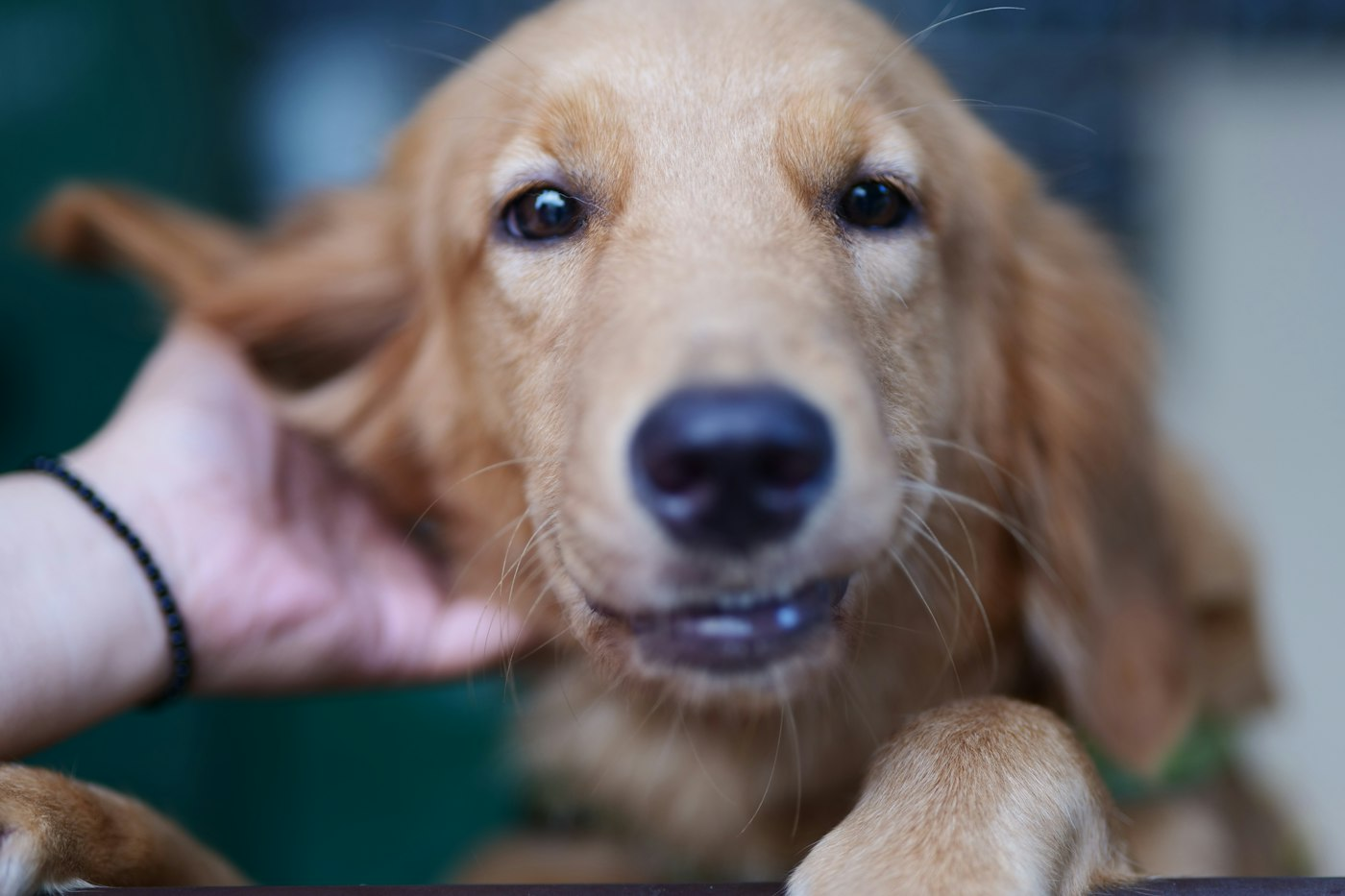
Finding a tick on your dog can be unsettling, but it is common in many areas during spring and summer. Removing it promptly and carefully is the goal. This is general information only; if you are unsure, or the tick is in a sensitive spot such as near the eye, call your veterinarian for help.
How to recognize a tick
Ticks are small arachnids. Before feeding they may be as small as a sesame seed or smaller. After feeding they swell and can look like a gray or tan bean attached to the skin. They often settle around the head, ears, neck, under the collar, in the armpits, between toes, and around the tail and groin. Small skin tags or nipples can be mistaken for ticks, so look closely; a tick will have tiny legs near where it meets the skin.
Removing the tick
Widely shared public health guidance on tick removal follows the same basic steps:
- Use fine-tipped tweezers or a tool designed for tick removal.
- Part the fur so you can see clearly, and grasp the tick as close to the skin as possible.
- Pull upward with steady, even pressure. Do not twist or jerk, which can cause the mouthparts to break off in the skin.
- After removal, clean the bite area and your hands with soap and water or rubbing alcohol.
If part of the mouth stays in the skin, try to remove it with tweezers. If you cannot do so easily, leave it alone and let the skin heal, and mention it to your veterinarian.
What to avoid
Folk remedies are best skipped. Do not try to make a tick detach by smothering it with petroleum jelly or nail polish, burning it with a match, or covering it with essential oils. These methods take time, can irritate your dog’s skin, and do not help remove the tick safely. Avoid squeezing the body of the tick.
Dispose of the tick by placing it in a sealed bag or container, wrapping it tightly in tape, or flushing it. Some owners keep the tick in a sealed container in case their veterinarian wants to identify it.
What to watch for afterward
A small red bump at the bite site is common and usually fades. Keep an eye on the area and on your dog overall for the next several weeks. Call your veterinarian if you notice:
- Swelling, redness or discharge at the bite that worsens
- Lethargy, fever or loss of appetite
- Limping, stiffness or reluctance to move
- Any other change in your dog’s health or behavior
Preventing the next one
Daily tick checks during tick season help you find ticks before they have been attached for long. Tick prevention products can reduce risk, but none are perfect. Ask your veterinarian which prevention is right for your dog, whether tick-borne disease testing or vaccination is recommended in your area, and how often to check.












