

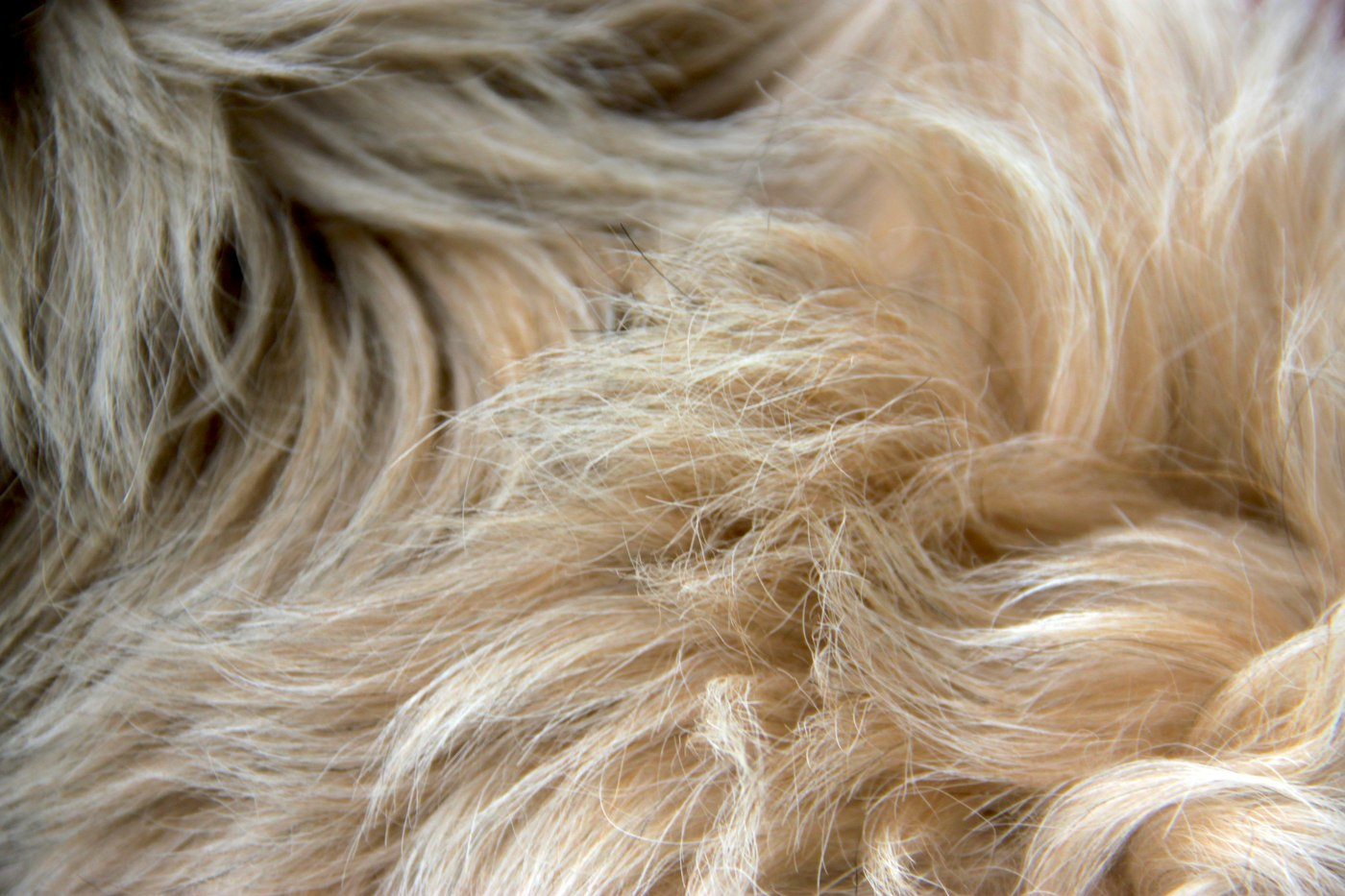
Sometime in late winter or early spring, many dog owners notice tumbleweeds of fur gathering in corners and drifting across the floor. This seasonal shed is normal for many dogs. Understanding why it happens makes it easier to plan for, and helps you tell ordinary shedding apart from something worth asking your veterinarian about.
What seasonal shedding is
Hair grows in cycles. Each hair follicle goes through a growth phase, a transition, and a resting phase, after which the old hair is pushed out by a new one. In many dogs, the timing of these cycles is influenced by daylight. As days get longer in spring, a large number of hairs that grew in for winter reach the end of their cycle at around the same time, and the dog sheds heavily over a few weeks. Many owners call this “blowing coat.”
Temperature, indoor heating, nutrition, hormones and overall health also play a role. Dogs who live mostly indoors under artificial light may shed more steadily through the year rather than in two big seasonal waves.
Which dogs shed the most
Double-coated breeds tend to have the most dramatic spring shed. These dogs have a dense, soft undercoat for insulation beneath longer guard hairs. Breeds such as Siberian Huskies, German Shepherds, Golden Retrievers, Labrador Retrievers, Bernese Mountain Dogs and many spitz-type dogs release much of that undercoat as the weather warms.
Dogs with Poodle-type coats, including many doodles, shed less hair onto the floor. That does not mean they do not lose hair. Instead, loose hair often gets caught in the surrounding curls. If it is not brushed out, it can tangle with the live coat and form mats. For these dogs, spring is a reason to brush more, not less.
Keeping up with the shed
Regular brushing is the most effective way to manage seasonal shedding. Removing loose hair before it falls out keeps your home cleaner and helps air reach the skin.
- Brush outdoors when the weather allows, so loose fur blows away rather than settling inside.
- Use tools matched to the coat: an undercoat rake for thick double coats, a slicker brush and comb for curly coats.
- A bath followed by a thorough dry can loosen a lot of dead undercoat at once.
- Do not shave a double-coated dog to stop shedding without talking to a groomer and your vet. The undercoat may grow back unevenly, and the coat also helps protect the skin.
When shedding is not just seasonal
Normal shedding leaves the coat thinner but still even, and the skin underneath looks healthy. Some signs suggest something else may be going on:
- Bald patches or thinning in specific spots
- Red, flaky, greasy or scabby skin
- Constant scratching, licking or chewing
- A dull, brittle coat or a strong odor
- Shedding that continues heavily for many weeks beyond the usual season
Allergies, parasites, skin infections and some hormonal conditions can all affect the coat. If you notice any of these signs, schedule a visit with your veterinarian rather than trying to treat it at home.












