

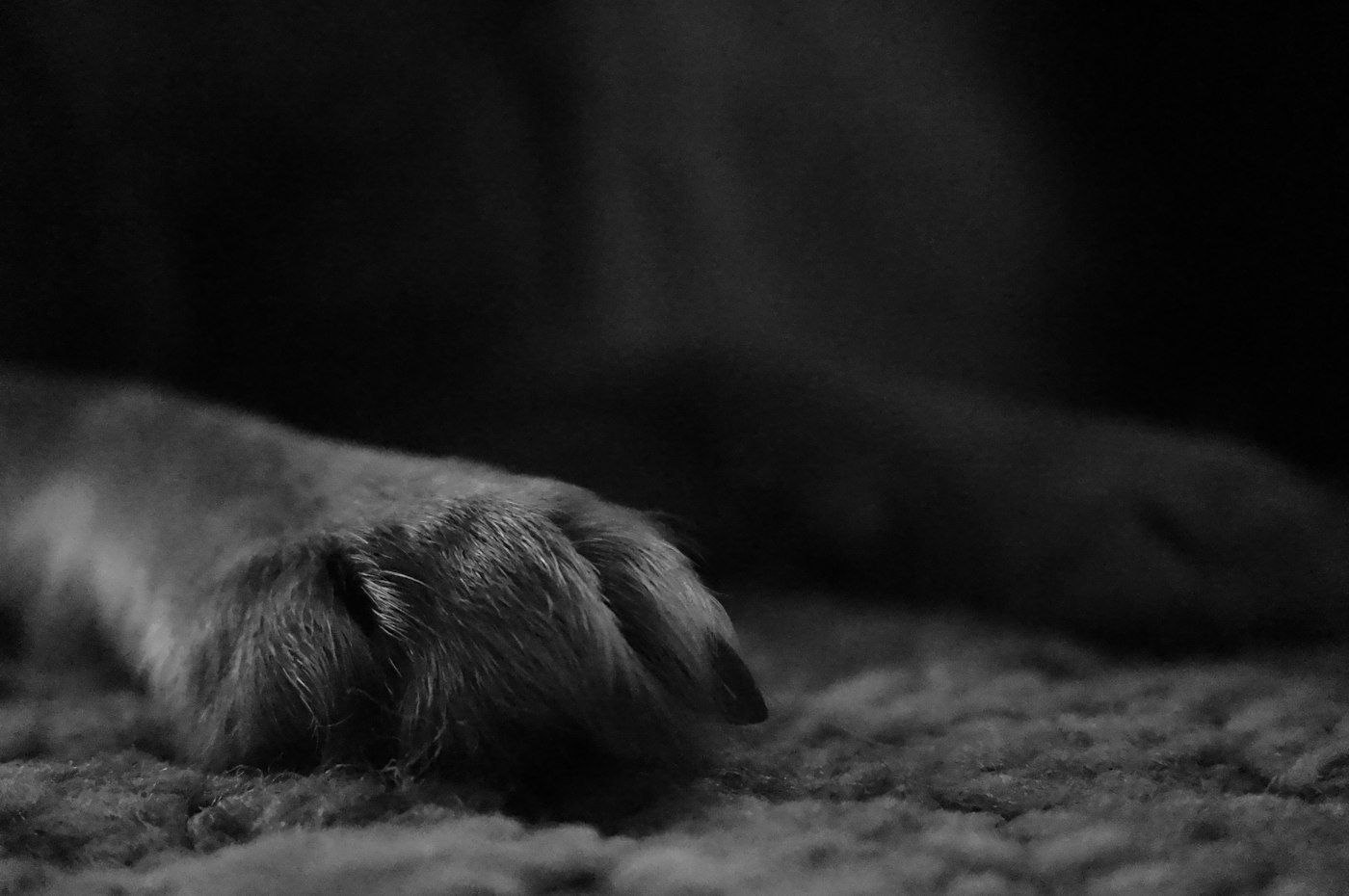
Nail care might not be the first thing you think of in winter, but it plays an important role in how well your dog moves on slick surfaces. In warmer months, walks on pavement can naturally wear down nails a bit. In winter, dogs often walk on snow and spend more time indoors, so nails may grow longer than usual. Long nails can affect traction, posture and comfort.
How long nails affect footing
When nails are too long, they hit the ground before the paw pads do. That can push the toes up and change the angle of the foot, which may make walking less comfortable over time. On ice and smooth indoor floors, long nails can make slipping more likely, because the dog has less pad contact with the surface. For senior dogs and dogs with joint problems, this can make a real difference in confidence and stability.
How to tell if nails are too long
- You hear clicking when your dog walks on hard floors
- Nails touch the ground when your dog is standing still
- Your dog seems to slip more than usual indoors
- Nails are curling or catching on carpet and fabric
Do not forget dewclaws, which sit higher on the leg and do not touch the ground. They can grow long and curl into the skin if not trimmed.
Trimming at home
Many owners trim nails at home with clippers or a grinding tool made for dogs. Each nail has a quick, which contains blood vessels and nerves. Cutting into it is painful and causes bleeding. On light-colored nails, the quick is often visible as a pink area; on dark nails, it is harder to see. Trimming a little at a time, more often, is usually safer than taking off a lot at once. Keep styptic powder made for pets on hand in case of a small bleed. Ask your veterinarian or groomer to show you the proper technique.
Making nail trims easier
Many dogs dislike having their feet handled. Gradual, positive practice helps:
- Touch and hold your dog’s paws gently and reward, even without trimming
- Introduce clippers or a grinder by letting your dog sniff them, then reward
- Trim one nail, reward, and stop if your dog is stressed
- Build up slowly over several sessions
For dogs who are very anxious or resist strongly, a professional groomer or your veterinary team can help.
Other winter paw tips
Trim the fur between the toes and around the pads, which improves grip and reduces ice balls. Check pads for cracks or cuts, and use a dog-safe balm if they look dry. Wipe paws after walks to remove salt and de-icers. If a nail is cracked, broken, bleeding or the toe looks swollen or infected, contact your veterinarian. This is general information, and your vet or groomer can advise on the right nail length and routine for your dog. Good nail care is a small habit that helps your dog stay steady all winter.












