

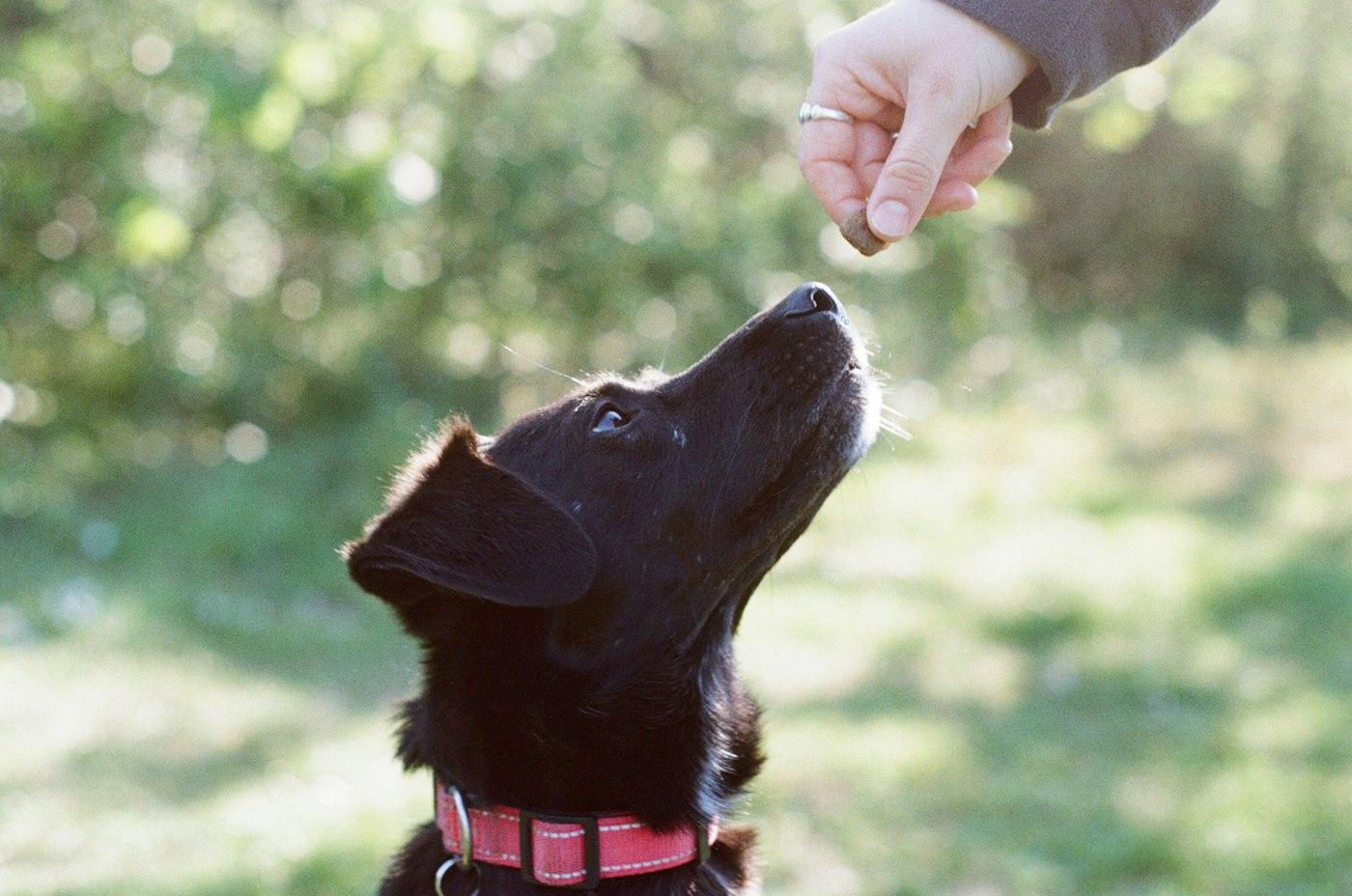
By February, many dogs and their owners are feeling a touch of cabin fever. The novelty of snow has worn off, walks are still short and everyone is a little restless. Teaching new tricks is an excellent remedy. Short training sessions give your dog mental exercise, build confidence and strengthen your relationship. Here are five tricks that work well indoors, using reward-based training.
Getting set up
Use small, soft treats your dog loves, or pieces of their regular food if you want to keep calories in check. Train in a quiet room with good traction, and keep sessions to a few minutes. Many dogs learn best with several short sessions spread across the day. End each session on a success, while your dog is still eager for more. If a step is too hard, go back to an easier one.
Hand target and spin
Hand target. Hold your open palm a few inches from your dog’s nose. When they sniff or bump it, say yes and reward. Repeat until they bump your hand reliably, then add a cue like touch and start moving your hand to different positions. Targeting is useful for guiding your dog and as a building block for other tricks.
Spin. With a treat at your dog’s nose, slowly lure them in a circle. Reward when they complete it. Over time, make the hand motion smaller and add a cue word. Teach both directions for balance.
Go to your mat and tidy up
Go to your mat. Place a mat or towel on the floor. Reward your dog for looking at it, then stepping on it, then lying down on it. Add a cue and gradually increase distance and duration. This is a calming behavior that is useful when guests come over or during meals.
Put toys away. This takes several steps. Teach your dog to pick up a toy, then to drop it on cue. Next, hold a basket under the toy as they drop it and reward. Gradually move the basket farther away. It takes patience, but many dogs love it.
Paw and wave
Shake. Hold a treat in a closed hand near the floor. Many dogs will paw at it. When they lift a paw, say yes and reward. Add a cue, then move to offering an open hand. Once your dog shakes reliably, you can raise your hand slightly higher so the paw lift looks like a wave.
- Keep sessions short and fun
- Reward the moment your dog does the right thing
- Never punish mistakes; simply reset and try again
- Practice in different rooms once your dog knows the trick
Know your dog’s limits
Choose tricks that suit your dog’s body. Puppies, seniors and dogs with joint problems should avoid tricks that require jumping, standing on hind legs or twisting. If you are unsure whether a trick is appropriate, ask your veterinarian. Watch for signs of frustration or fatigue, like yawning, sniffing the floor or wandering away, and take a break. A dog who has learned something new is a happy, tired dog, which is exactly what late winter calls for.












