

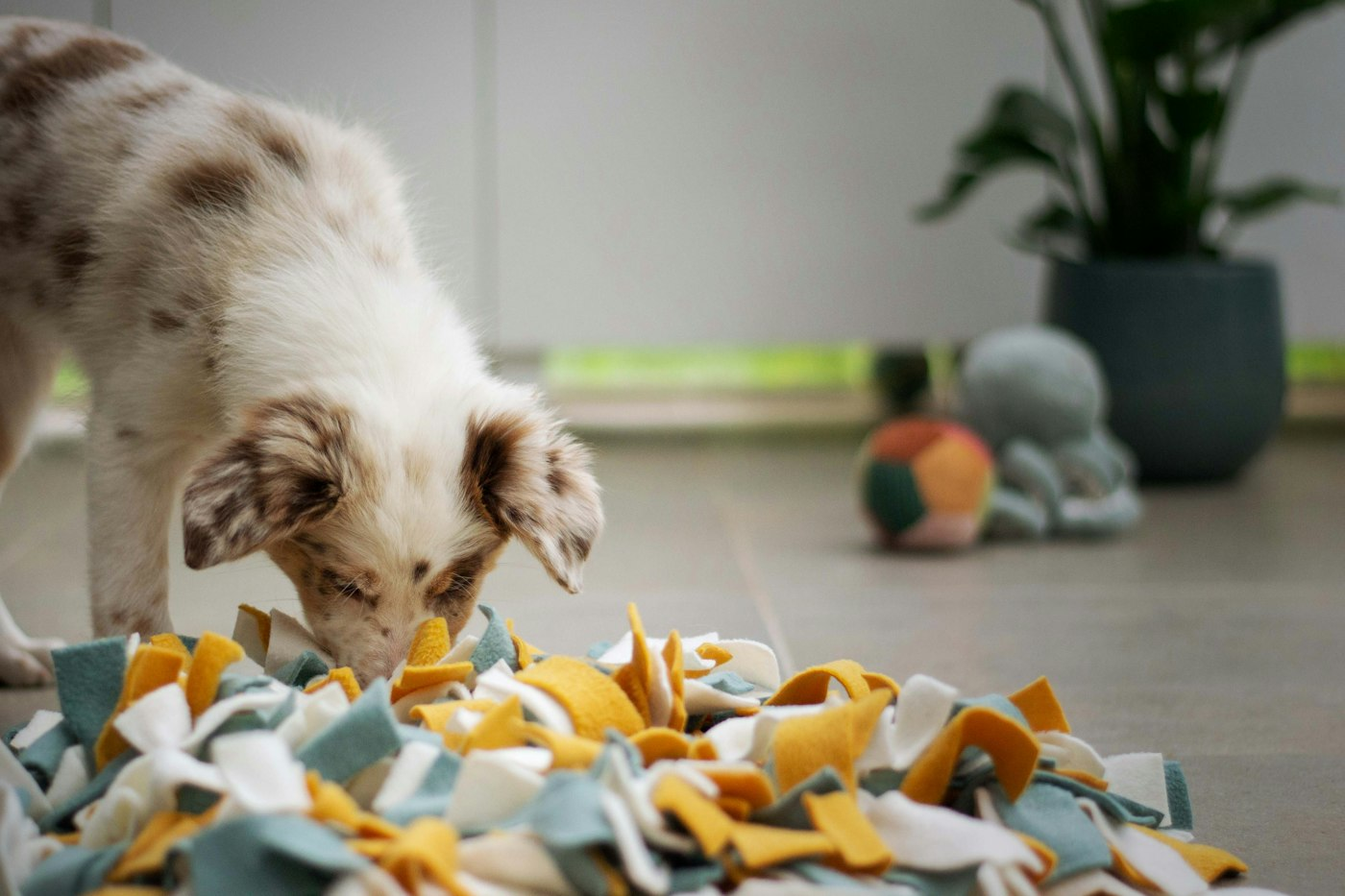
Puppyhood is a critical time for socialization, when puppies learn that new people, places, sounds and experiences are safe. Many veterinarians and trainers emphasize the early months as an especially important window. Winter can make that tricky. Bad weather limits outings, and fewer people are out and about. The good news is that a lot of meaningful socialization can happen indoors and close to home.
What socialization really means
Socialization is not just meeting lots of dogs. It is about giving your puppy calm, positive experiences with a wide variety of things they will encounter as an adult. The goal is quality, not quantity. A puppy who has a few good experiences at a comfortable pace learns more than one who is overwhelmed. Always let your puppy observe from a distance and approach on their own terms, and pair new things with treats and praise.
Sounds and surfaces at home
- Play recordings of everyday sounds, such as traffic, doorbells, thunder and vacuum cleaners, starting very quietly
- Let your puppy walk on different surfaces: tile, carpet, rubber mats, a folded tarp, a sturdy wobble board low to the ground
- Introduce household objects like umbrellas, hats, boots and bags
- Practice gentle handling of paws, ears, mouth and tail, which helps with grooming and vet visits later
Winter is also a natural time to introduce wearing a collar, harness and jacket in short, positive sessions.
People and visitors
Invite a few friends over, one or two at a time. Ask them to sit calmly, let the puppy approach and offer a treat. Try to include people of different ages and appearances, people wearing hats and bulky winter coats, and people with gloves, since winter gear can look strange to a puppy. Keep visits short and stop before your puppy gets tired or overwhelmed.
Short outings that work in winter
When the weather allows, brief trips can add a lot. Sit in your parked car and watch the world go by, carry a small puppy through a pet-friendly store if allowed, or stand at the edge of a parking lot and reward calm watching. Watch for salt, de-icers and slippery ground. Ask your veterinarian about when your puppy can safely be around other dogs and in public places, based on their vaccination schedule and local disease risks.
Puppy classes and reading body language
Many puppy classes are held indoors, making them a good winter option. Look for classes that use reward-based methods and keep groups small. As you socialize, learn your puppy’s stress signals: tucked tail, lip licking, yawning, turning away, freezing or trying to hide. If you see these, give your puppy more distance and a break. If your puppy seems persistently fearful, talk to your vet or a qualified trainer early, since fear is easier to address when it is caught young. A winter puppy can grow into a confident, well-adjusted adult with a little planning.












