

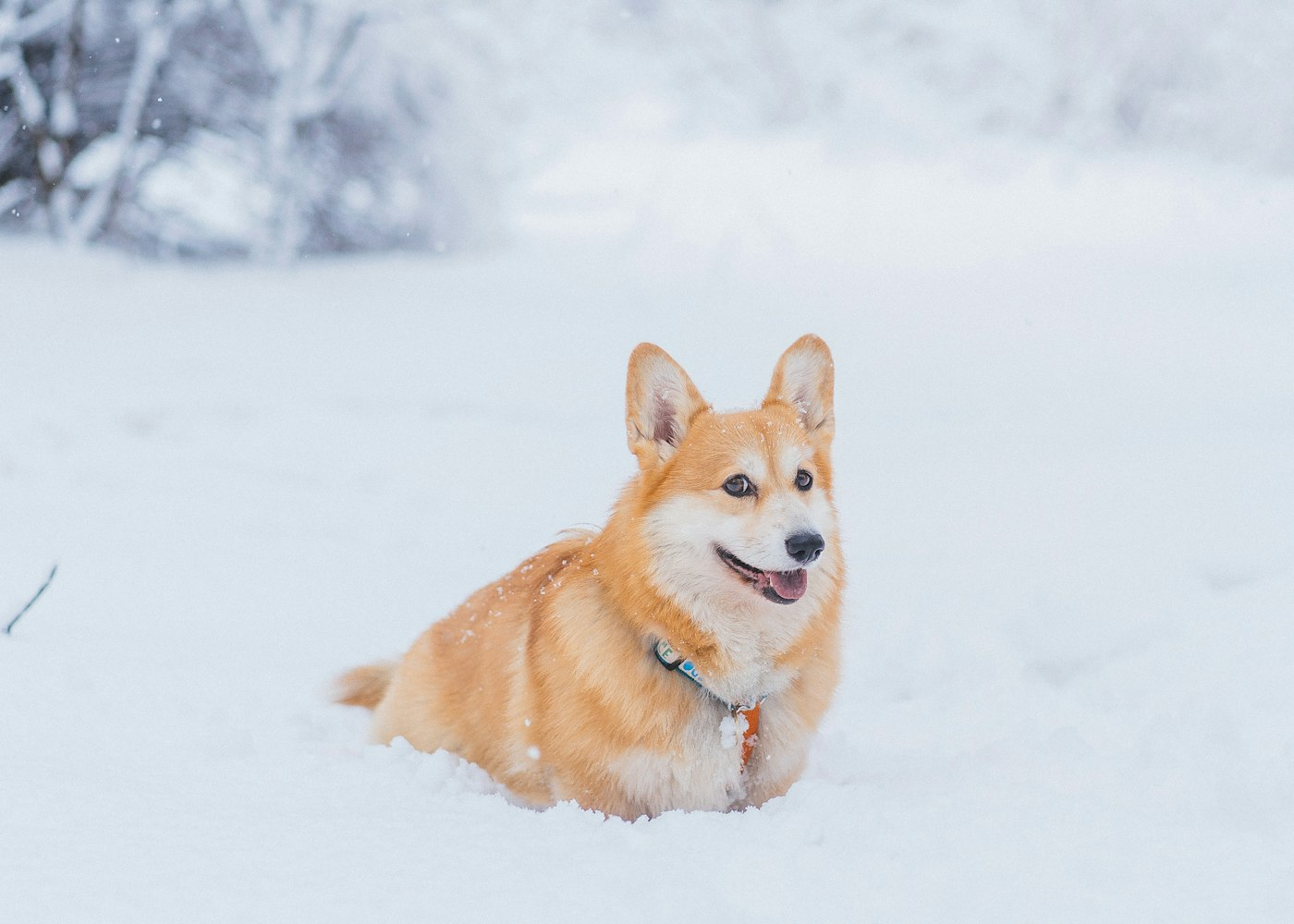
Snow brings out some curious dog behavior, and with it a lot of questions from owners. Here are general answers to some common ones. For questions about your own dog’s health, check with your veterinarian.
Why does my dog eat snow?
Many dogs eat snow simply because it is interesting. It has a novel texture, it is cold and it may carry intriguing scents. Some dogs may eat snow because they are thirsty, so make sure fresh water is always available. A little clean snow is generally not a problem for a healthy dog, but eating a lot can chill a dog or upset the stomach. Snow near roads, driveways and sidewalks can contain salt, de-icers, antifreeze and debris, so discourage snacking in those areas. If your dog suddenly seems much thirstier than usual, mention it to your vet.
Why does my dog roll in the snow?
Rolling may be playful, a way to scratch an itch, a response to an interesting smell or a way to cool off for thick-coated dogs. Most of the time it is simply joy. If your dog rolls constantly or seems itchy all the time, indoors and out, a vet visit can rule out skin problems.
My dog refuses to go outside in the snow. What can I do?
Some dogs dislike cold, wet feet or deep snow. Small, short-coated and senior dogs in particular may balk. A few things may help:
- Shovel a small bathroom area close to the door
- Consider a well-fitted jacket or booties for dogs who feel the cold
- Go out with your dog rather than sending them out alone
- Reward bathroom breaks outside with praise and a treat
- Keep trips short on very cold days
If a previously willing dog suddenly refuses to go out or seems painful when walking, talk to your veterinarian, since joint pain or paw injuries can be the cause.
Is it safe for my dog to play in deep snow?
Healthy, fit dogs often love deep snow, but it is hard work. It can tire dogs quickly and strain joints. Snow can also hide holes, rocks and sharp objects. Watch for heavy breathing, slowing down and signs of cold. Keep play away from frozen ponds and lakes, which can look solid but may not be. Older dogs and dogs with arthritis may do better on packed paths.
How do I know if my dog has been out too long?
Signs include shivering, lifting paws, a hunched posture, slowing down, whining and trying to head home. Snowballs packing on the fur and wet fur are also cues to come inside. Weakness, lethargy, confusion or pale or gray skin on the ears, tail or paws can signal a serious problem, so warm your dog gently and call your vet right away. When in doubt, a shorter snow session followed by a warm towel is always a safe bet.












