

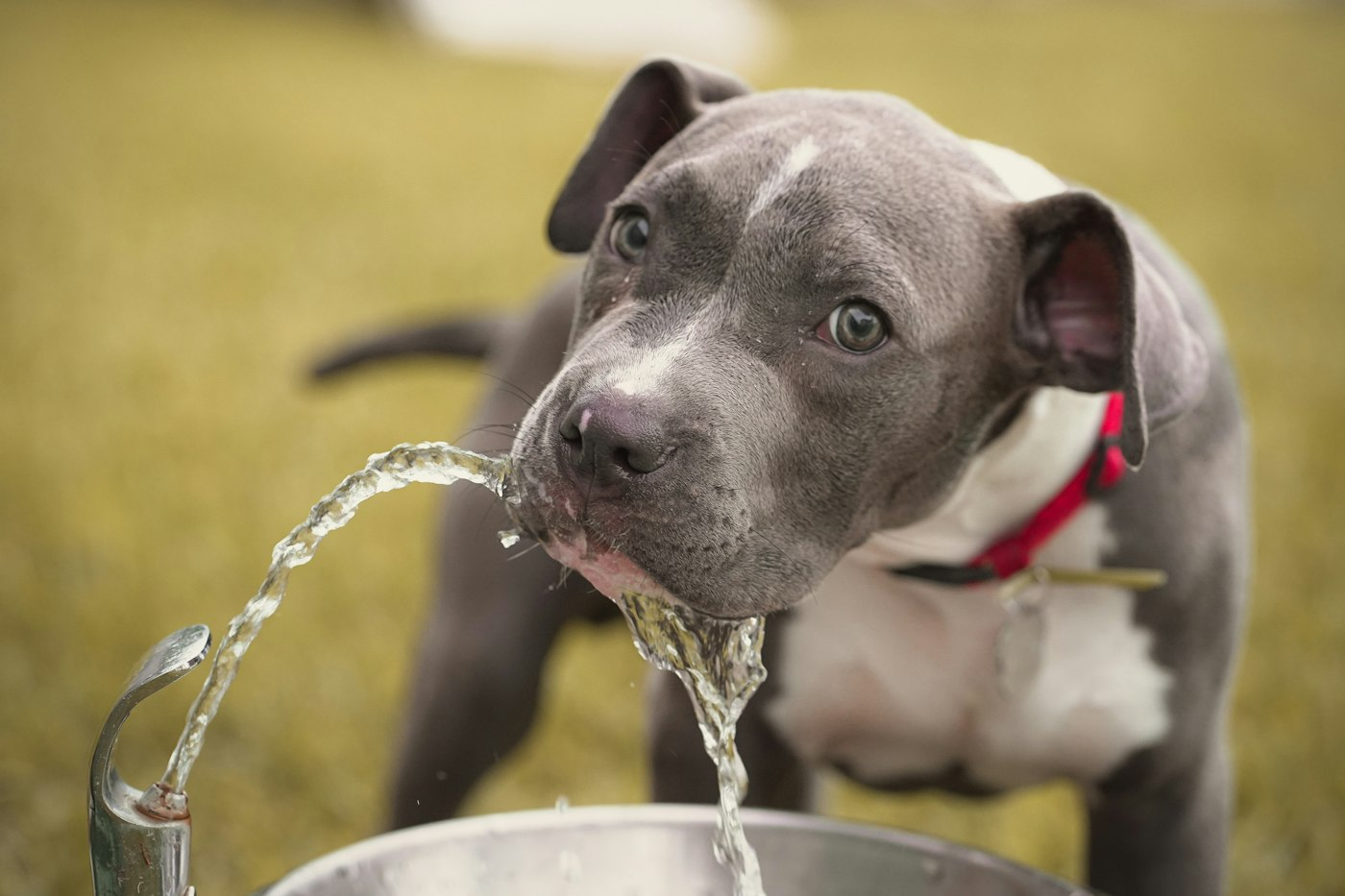
Hydration is usually a summer topic, but dogs need water in winter too. Dry indoor heat, active play in the snow and long walks all use up fluids. At the same time, some dogs seem less interested in drinking when it is cold, and outdoor water can freeze. A few habits can help make sure your dog gets the water they need.
Why winter hydration matters
Water supports nearly every function in the body, from digestion and circulation to temperature regulation. In winter, heated indoor air is often very dry, and dogs who run and play in the snow can lose fluids through panting even in cold weather. Dogs who spend time outdoors may find their water frozen. Snow is not a reliable replacement for water, and eating a lot of it can chill a dog.
Keep water fresh and appealing
- Refill bowls at least daily, and more often if your dog drinks a lot
- Wash bowls regularly to prevent slime buildup
- Place water in more than one spot if you have a larger home
- Keep bowls away from drafty doors where the water gets very cold
Some dogs prefer water that is cool rather than icy, so room-temperature water indoors may be more appealing. A pet water fountain encourages some dogs to drink more, though others are wary of it at first.
Outdoors and on the go
If your dog spends time in a yard or kennel area, check outdoor water often, since it can freeze quickly. Heated pet bowls are designed to keep water from freezing; if you use one, follow the maker’s safety instructions and protect cords from chewing. Plastic bowls are generally preferable to metal in freezing temperatures, because a dog’s tongue can stick to very cold metal. Bring water and a collapsible bowl on longer winter hikes and car trips, and keep it from freezing by carrying it close to your body.
Food and water together
Dogs who eat dry kibble get very little moisture from their food and rely on their bowl. Some owners add a little water to kibble or feed some wet food, which adds moisture. If you are considering changing your dog’s diet, talk to your veterinarian first. Avoid offering broths or other human foods that may contain onion, garlic or high salt.
Know the warning signs
Signs that a dog may be dehydrated can include lethargy, dry or sticky gums, thick saliva, sunken eyes and reduced skin elasticity. A sudden increase in thirst is also important. Drinking much more than usual can be a sign of health problems such as kidney disease or diabetes, and it can also follow exposure to things like road salt or ice melt. Contact your veterinarian if your dog’s drinking habits change noticeably in either direction or if you see signs of dehydration. This is general information, and your vet can advise how much water is normal for your dog.












