

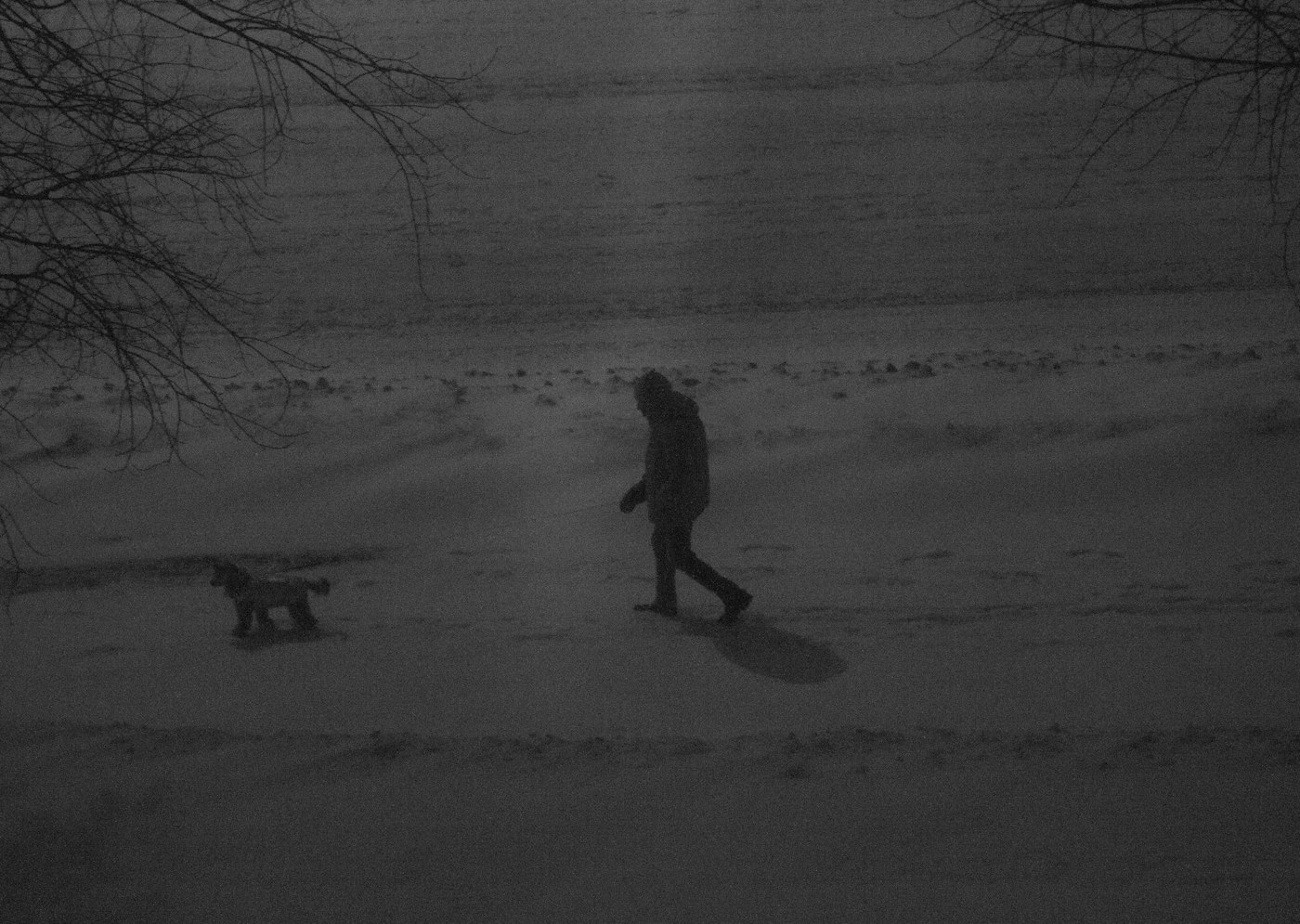
In much of the country, winter means short days. Morning walks start before sunrise, evening walks end after dark, and many dog owners spend weeks walking almost entirely at night. Dark fur, dark coats and wet roads make both dogs and people hard to see. Adding reflective and lighted gear is one of the simplest ways to make those walks safer.
How reflective materials work
Reflective materials, often called retroreflective, bounce light back toward its source. When a car’s headlights hit a reflective strip, the light returns toward the driver, so the strip appears to glow. This works well for vehicles, but it depends on a light shining at you. Reflective gear does little in total darkness or for someone without a light source, which is why many owners combine reflective items with lights.
Lights versus reflectors
Lights make you visible on their own, from many angles, even when no headlights are around. Clip-on LED lights for collars and harnesses, lighted leashes and small flashing lights are common options. Reflective items need no batteries and work every time a beam hits them. Using both gives you the broadest coverage:
- A reflective collar or harness on your dog
- A small clip-on light on the collar or harness
- A reflective or lighted leash
- A reflective vest, armband or jacket for you
- A flashlight or headlamp so you can see the path and your dog
Placement matters
Visibility is about where the gear sits as well as what it is. Reflective strips on moving parts, such as a dog’s legs or the person’s ankles, tend to catch a driver’s eye because motion stands out. Gear on your dog should be visible from the front, back and sides. A jacket with reflective trim helps, but if your dog’s collar is hidden under a thick coat, make sure a light or tag is still visible. Keep lights pointed so they do not shine into your dog’s eyes.
Habits for safer night walks
Gear works best with good habits. Walk facing traffic where there are no sidewalks, so you can see oncoming cars. Use a standard leash rather than a long or retractable lead near roads so your dog stays close. Choose well-lit routes when you can, and avoid wearing earbuds at a volume that drowns out traffic. Check batteries regularly, and keep spares by the door.
Keep your gear clean
Road grime, salt and slush can dull reflective surfaces over a winter. Wipe reflective trim on collars, leashes and jackets after messy walks, and wash gear according to the maker’s instructions. Inspect older items, since reflective coatings can wear over time. Making yourself and your dog easy to see is a small effort that adds a real margin of safety to every dark winter walk.












